SEMINAR – YOUR CLUB & MINUTES

Good morning

We are now just a week away from our Club development seminar which will be held on 23rd March at The Bridge House Hotel at Longham. The event will start at 10.00 am when coffee and biscuits will be available and is expected to conclude by 12.30 pm. There is a large car park behind the hotel. They have recently installed a drop down barrier, so just drive in and collect a slip with the exit code from reception when you are ready to leave.
The purpose of the event is to draw together a mix of newer and more established Club members to work together with a positive intent to determine how we can best build FPC for the future.
To help preparation, attached for information is an agenda for the day, a background page on PROBUS Global and the growth of Ferndown PROBUS Club, plus a summary of the comments members have already made to help inform the Seminar process.
If you have any questions please let me know, otherwise thank you for being willing to get involved and I look forward to joining you for what I am sure will be an important milestone towards establishing the future direction of our Club.
Kind regards Alan
Alan Stevens
43 Hazel Drive, Ferndown
Dorset, BH22 9SP
Ph: 01202 876826
Mob: 07785 732336
E: alan_stevens@talk21.com
Ferndown PROBUS Club development seminar to be held at
The Bridge House Hotel, 2 Ringwood Rd, Longham, BH22 9AN Ph: 01202 578828
On Wednesday 23rd March from 10.00 – 12.30pm.
Registered attendees as at 14th March:
Roger Armstrong, Alan Bardsley, Derek Brown, Kevin Cartwright, Sid Davis, Keith Gray, Geoffrey Holland (tbc), Gerry Hughes, Chris Loring, John Luxford, Roger Newman, Gordon Pond, Brian Quist, Alan Redknap, Charles Rees, Ian Reeves, Alan Stevens,
Seminar purpose: Identify priorities, focus on what is practical, promote more support for both member and club activities.
Remember, today there’s no such thing as a bad idea.
Background:
- FPC is primarily a monthly lunch with speaker club, plus a coffee morning, occasional ladies lunch, brunch and other outside events
- A brief history of both PROBUS Global and Ferndown PROBUS Club has been circulated to delegates for information prior to the event.
AGENDA
Introduction and purpose of the seminar:
- Draw together a mix of newer and more established Club members to work together with a positive intent to determine how we can best build FPC for the future.
The overall Club experience:
- What are the current strengths and weaknesses of FPC?
New member integration and support:
- How would our newer members describe their club experience?
- What do they feel we are we good at and what could we do better?
- How can we most effectively build future membership?
- Any outstanding thoughts or ideas to improve members club experience?
Lunches and Coffee mornings:
- How could our monthly lunches and coffee mornings be made more enjoyable?
Events:
- What Club events would you like to see in the future?
Speakers:
- What speaker topics would you like to see introduced for the future?
Club support from members:
- A personal benefit of doing something for the club is getting to know people.
- There has been a strong willingness from newer members to get involved in support of our ‘Buddy’ system. So how can we build on that?
- Could we develop the Buddy concept to become befrienders or hosts?
- Would you help to organise one-off events adds significant value to the club?
- How about a Members rota to support sign in at lunches and coffee events?
- Other ideas?
MEMBERS THOUGHTS AND IDEAS FOR CONSIDERATION.
What follows is a combination of member inputs on this subject and additional thoughts for your consideration in preparation for our seminar on 23rd March.
The overall Club experience:
- What are the current strengths and weaknesses of FPC?
- How could we improve the members experience at FPC?
New member support/integration:
- On my first day at the delayed summer lunch, my wife and I were given VIP treatment but having joined the Club I must say it has been a struggle ever since. I have introduced myself and decided to dump myself on various tables each meeting. Members that I have already spoken to give me a nod at the next meeting but then I’m looking for a spare seat at a table that hasn’t already been bagged. This does not make it easy to integrate. At the last meeting I found myself with no one to speak to but luckily, I managed to find a spare seat next to a new member.
- The committee are just strange faces and I have hardly spoken to any during the monthly meetings since I joined. I introduced myself to a committee member on my first day, but he has not spoken to me since! What’s the problem?
- Could we not open the bar circa 11am with sit down promptly at 12.30 pm. This gives ample time for members to check in and socialise in the bar before going to lunch. This could prove to be very successful in enabling people to make introductions in addition to groups of friends who may stick together. The committee and buddies are all available and all committee members are identifiable by their badges. Members do not then enter the dining area before 12.30.
- The Buddy system has worked well and ensured new members get a warm welcome on their first visit. On their second visit however, new members are likely to be left to find their own way. Could we extend the Buddy concept to add members in the role of Befrienders or Hosts? Their task would be to spot new guys coming to their second or third meetings, introduce themselves and accompany them for lunch?
- What else could we do to more effectively attract positive new members to the club?
- What should we be doing differently to ensure we retain new members for the longer term?
Lunches:
- I think the Dudsbury lunches have run their course. I would like to have something smaller, better quality and quicker.
- Takes too long to get to speaker and then we all get bored with the wait. Needs to be a bit more snappy.
- Might it be possible to have lunch meetings at differing venues. Must we be tied to Dusdsbury?
- I have found that Dudsbury do not always have the bar up and running at midday which in itself would be a tight schedule for even getting a drink let alone mingling and making acquaintances before sitting down. Most members seem to grab a drink and immediately go and reserve seats at a table thereby not mixing freely.
- Regarding layout, round tables appear to be the norm. Could we not revert to a long Chairmans table with seats on one side and spur tables running from it with seats either side. This gave more flexibility for members to chat with more people (and hear each other!).
- It is interesting that you hold a committee meeting on the same day as the lunch. Could meetings not be held on other days when things are not so rushed leaving the committee free at lunches to mingle?
- To create more effective mixing, could we not develop a random system whereby members draw a number on arrival and take a seat at their predetermined seat marked by numbers on the table? This has been tried before but has been scuppered by clique members who only want to sit with their friends. Is it worth another try?
Events:
- Keep the brunches going – I think they are quite popular.
- Resume the idea of cultural coach outings – in the past those to Bletchley Park and Bristol were well received, but don’t be too ambitious!
- What additional activities could we practically add to our events programme in order to add value and how could the event organisation be resourced?
Speakers:
- Let us hear more from the members themselves, many of whom have tales to tell.
Club support from members:
- I do agree with what you state regarding getting more members involved in running the Club. You don’t need to be on Committee to take charge of something like an event.
- Recent health questions have arisen to affect current committee members. To stop us going the same way as so many clubs of our type, for our longer-term survival we need to work out how we can attract members to take a turn in helping to run our club. For example, this could take the form of organising one-off activities, or shadowing current committee members and then stepping in to provide short term cover at times of illness or holidays etc.?
- What could members do to better support the club and help release the workload on a small number of committee members?
- As it would save both the charges for the card reader and treasurer work time, how can we encourage members to pay by BACS ahead of lunches?
- The buddy system has given members a commitment free way to support the club. Could this expand to organising one off events, such as a brunch or visit to a place of interest? How about a rota for lunches and coffee mornings whereby members support the Treasurer at sign-in? How about taking on a short-term role of event host at lunches, brunches and coffee mornings with the responsibility to ensure members are comfortable and have all they need during an event?
A Short History of PROBUS and Ferndown Probus Club
The Probus Global Organisation
The word Probus is an abbreviation of the words PRO-fessional and BUS-iness.
Probus clubs provide an opportunity for retired professionals to attend regular social meetings with like-minded people who appreciate similar interests. Probus also provides a support network for professionals when they retire, these clubs were initially started for men but over the years has seen a steady growth in Ladies and Mixed clubs.
The Probus Club movement was initially formed in the United Kingdom in 1965 but has since spread to many countries throughout the world and has even been described by a member in Australia as the best thing England ever exported.
Ferndown PROBUS Club
Shortly before Christmas, on 11th December 1979, a meeting was held at the Whincroft Hotel with the aim of forming a new Probus Club.
The Rotary Club of Ferndown sponsored the project, a managing Committee was formed who then drew up a draft constitution, proposed administration details and a plan to arrange monthly luncheon meetings.
The inaugural luncheon of the Ferndown & District Probus Club was held at the Whincroft Hotel on Tuesday 22nd January 1980.
The Club proved to be popular and a waiting list was created, but this problem was solved when another Club was opened in the area in 1982 and was named West Moors Probus Club.
In 1983 the Whincroft Hotel, situated on the corner of Wimborne Road East and Whincroft Close, was closed and demolished, so the club re-established itself at the Coach House Hotel in November 1983. This hotel was then also demolished and the club were again obliged to find an alternative venue. In August 2000 we made our new home at the St. Leonards Hotel.
The two local Probus Clubs were so successful that in 1987 another Club was formed and named Forest Edge Probus Club resulting in three Probus Clubs in the near locality. Nevertheless, in August 2004 the West Moors Probus Club closed and the same happened to Forest Edge Probus Club.
At the Annual General Meeting held in March 2004 the name of the Club was changed to Ferndown Probus club. Then in 2005 the club celebrated its 25th Anniversary.
Meanwhile, we were obliged to leave the St. Leonards Hotel and moved our lunches and Coffee Mornings to Dudsbury Golf Club in April 2007. We currently remain at Dudsbury Golf Club where we hold our monthly Lunches and Coffee Mornings.
Club membership currently stands at 41 Regular members, 11 Associate members and 14 Consociate members. Since returning from the period of COVID restrictions the club has moved forward strongly and has so far attracted 9 new members to join us.
Ferndown Probus Club Development Seminar – 23rd March, The Bridge House Hotel
Attendees – Roger Armstrong, Alan Bardsley, Kevin Cartwright, Keith Gray, Geoffrey Holland, Gerry Hughes, Chris Loring, John Luxford, Roger Newman, David Oddy, Gordon Pond, Brian Quist, Alan Redknap, Ian Reeves, Alan Stevens, Richard White.
Apologies – Derek Brown, Sid Davis, Ian Potentier, Charles Rees
What do we do well?
- Those present felt that as a club we were strong on Welfare, Befriending and initially welcoming guests and holding events that include the ladies and guests of members
What do we do less well and can improve upon – Lunch/coffee morning experience
- Buddy system needs to be enhanced to a) give longer support to the newer club members and b) improve integration between the older and newer club members
Action: Alan Redknap offered to act as conduit to assist on both elements of above and Roger Newman and David Oddy subsequently offered to assist also
Action: Committee members to be spread across multiple tables to improve two-way communication of Probus matters - Use of name badges/membership list – need to encourage greater wearing of the name badges, especially for the benefit of the newer members. Is reverting to the previous system of a single point of contact for the issue and collection/retention of name badges on arrival and departure worth considering?
Action: Committee members to discuss and agree the preferred option
- Can membership list and/or badges be enhanced to include photos?
Action: Committee to consider points raised and investigate costs, if appropriate
- Can table layout be improved? The merits of circular and long tables were discussed with a circular table seating 6 probably the optimum practical choice of those present.
Action: Committee to consider and please see Questions for Dudsbury
- Improve integration of members via random seating (e.g. drawing of table number)
Action: Committee to consider trialling at a future meeting (with notice given)?
- Implement a free lunch for potential new members?
Action: Committee to consider
Speakers
- There was strong consensus from those present that they would like to have more speakers from within the group (perhaps a session dedicated to >1/2 members giving an overview of their life stories or a Q&A type session across all members on specific topics)
- Could the Speaker be before lunch?
- All were encouraged to submit any particular Speaker requests to Charles Rees
Action: Committee to consider and please see Questions for Dudsbury
Special Lunches/Social Events
- Consider venues other than Dudsbury for e.g. ladies lunches, although it was acknowledged it’s difficult to find somewhere as convenient
- Some discussion was held on potential other events, including ‘twinning’ with other groups but it was acknowledged that appetite was limited, as witnessed by cancellation of President’s Dinner and slow uptake for the Jubilee lunch
- Richard White offered to organise a future event, possibly at the St. Leonards and St. Ives Village Hall
Action: Committee to consider; Gerry Hughes has prepared a questionnaire designed to ascertain the current mood of members for any social event and offering potential event ideas. Gerry is also asked to propose an events plan for the remainder of the year for agreement at the next committee meeting in April.
Welfare
- Question was raised on the format of Welfare briefings ongoing. The suggested response was to leave as is for now and newer members were interested in knowing more about our older members, which hopefully is in part addressed by proposed greater integration measures.
- There was much praise for our Covid-initiated contact regimen which was welcomed by the vast majority of membership. David Oddy was especially effusive.
Publicity/New Member drive
- A suggestion was made that to complement our existing practices (our current efforts are viewed most favourably) that we attend local events to hand out e.g. promotional leaflets and promote the club. Fete on The Field – Ferndown was suggested as a possibility and Chris Loring has a contact to assist with tent/stall if appropriate for us
Action: Committee to consider and promotional volunteer to be identified.
Questions for Dudsbury
- Can an earlier start time for our meetings be accommodated to facilitate greater socialising – e.g. bar opening at 11.00 or 11.30 am?
- Could a speaker before lunch type format be supported (e.g. 10.00-14:00 rather than 12:00-16:00)?
- Could a Spikes Bar menu system be supported to replace the current monthly menu plan?
- Are there any Dudsbury discount schemes in place that could be applied to us?
- Is there the scope for a 6-seater table option to be in place for our monthly lunches?
- Is our club publicity still in place within Dudsbury (will probably need updating)?
- Additionally, do Dudsbury have a Defibrillator on the premises and a first aider trained to use it?
Action: Alan Stevens to raise with Dudsbury and to advise responses
How might members support our Club?
- One personal benefit of doing something for the club is getting to know people.
- Would you help to organise one-off events as that can add significant value to the club?
- How about a Members rota to support sign in at lunches and particularly coffee mornings?
- How about saying Grace before lunch?
- Why not help to run raffles?
- Could we follow the example from other clubs and establish deputies for key club roles, thus providing cover for holidays or illness and possibly a natural succession plan?
- Is there any reason why all members should not pre-pay for lunches via BACS? It saves time at registration and also saves the club the cost of each card payment, so why not do it?
Action: Committee to consider and determine an effective way to address these issues.
One final thought – our current committee suffer the same aging and health issues as other clubs experience. They can’t go on for ever, so please think about what you can do to help share the load. We really don’t want to end up closing down like some other clubs just because members weren’t interested enough to step up and help keep our club alive and well in the years ahead.
Action: All members to consider what they could do to better support our club going forward.
Constitution 2025
FERNDOWN PROBUS 24
CONSTITUTION
- Title:
Ferndown Probus 24
- Aim:
To promote friendship and fellowship amongst retired and semi-retired ladies and gentlemen.
- Membership:
3.1 The club shall be run on a non-profit making, non-political and non-sectarian basis. Membership shall be open to all gentlemen and ladies who have either semi- retired or retired from their occupation
3.2 A person applying for membership will be invited to attend at least one meeting of the club before their application can be considered by the committee.
3.3 Honorary Members may be elected at the discretion of the committee. Such membership is in acknowledgement of service to the club.
3.4 Associate members may be elected at the discretion of the committee. Such membership to include members, who due to age or ill health cannot attend regularly.
3.5 All members should be encouraged to serve the club.
3.6 Club members personal details will be stored and processed in line with the latest General Data Protection Regulations. (GDPR) as per our Privacy Policy document.
- Officers and Committee:
4.1 The officers of the club shall be a President, immediate Past President, Vice President(s), Club Secretary, Treasurer, Speaker Secretary, Lunch and Social Secretary, Membership Secretary, social Events Secretary, all of which roles are fulfilled on a voluntary basis. The committee shall have the authority to add additional members. A minimum of four shall be required for a quorum.
4.2 In a normal year the President shall retire on completion of one year in office and will ideally be succeeded by a Vice President. The retiring President shall automatically become a member of the committee for the following year and will undertake the duties of Welfare Officer.
4.3 An Independent Accounts Examiner shall be elected at the Annual General Meeting. They shall not be a member of the committee.
4.4 In the event of a force majeure, the committee are authorised to make the decisions necessary to protect the future wellbeing of the club.
4.5 Club Rules may be altered only at an AGM or EGM for which three weeks notice has been given to members by the Club Secretary together with indication of the proposed alteration.
4.6 A majority of those present and eligible to vote shall be required to make the alteration effective. In the event of a voting tie the President shall have a second or casting vote.
4.7 Copies of the Club Constitution shall be posted in the members area of the Club website.
- Meetings:
5.1 A lunch meeting for members shall normally be held on the second Wednesday of each month. A coffee morning for all members, partners and friends will normally be held on the third Wednesday of each month. Other activities for the mutual benefit and enjoyment of the members may be arranged.
5.2 The Lunch Secretary must be informed and payment made by 9am on the preceding Monday morning.
5.3 Unless special circumstances prevail, an Annual General Meeting shall be held during the April meeting each year, at which officer reports will be received and the election of Officers and Committee shall take place. Nominations for the officers and committee members must be notified to the Club Secretary prior to the March meeting.
5.3 The examined Financial Report for the previous financial year will be presented at the AGM.
5.4 An Extraordinary General Meeting shall be called by the committee whenever they think it necessary, or at the request of not less than one third of the current membership. No business shall be conducted at an EGM except such as stated in the notice convening the meeting.
5.5 Voting at all meetings shall be by a show of hands (or ballot if so required) by a majority of those present and eligible to vote. In the event of a voting tie the President shall have a second or casting vote.
5.6 Gentleman Members to wear smart casual.
5.7 Committee meetings to be held 3 – 4 times a year.
- Subscriptions and finance:
6.1 The club financial year shall run from 1st January until 31st December.
6.2 The annual subscription is payable by each member and is due on or before the February meeting. Members who have not paid the annual subscription by the date of the AGM in April shall be deemed to have resigned.
6.3 Honorary and Associate members do not pay an annual subscription but retain full membership.
6.4 The committee shall have the power to vary fees, subscriptions etc as and when deemed necessary.
Date March 2025
Mission Accomplished – Charles Rees
Charles Rees
During lock-down over a year ago I started writing a book. It started from the anecdotes about my patients which had been in my head for years intertwined with the changes in Family Doctoring which I had experienced. I called it the Life and Decline of the Family Doctor and this is what I wrote about it and put on the cover.
This book comes from my experiences as a family doctor in a small town in Dorset England for 38 years covering 1972 to 2010. During most of that time being a Family Doctor was more than being a General Practitioner. I have tried to explain the changes that occurred without trying to extol the virtues of a golden age which never existed. The process of computerisation, advances in medicine, change in the family, de-skilling of the doctor, training of GPs and the rise of the ‘portfolio’ doctor are covered hopefully without over-doing it. I hope I have explained how doctor and patient became distanced and why. All through this period the control by Government extended. The Doctor now works for the Government and not the patient.
Since I retired from the Practice 10 years ago the concept of a patient having their own Doctor for decades or generations has largely gone. What I have tried to do is to explain the changes and why they happened and to do it through the people I lived along side and cared for. They were sometimes hard work, sometimes irritating, often chaotic and occasionally terribly funny. But in the end they were my patients and I was their Doctor.
Whilst trying to get it published I realised that having been a medical student in the 1960s and a junior doctor in the 1970s there was another tale to be told. I called the first part ‘I was not a good medical student’ and the second part ‘Blunt but Good’
The result was a trilogy starting with a young man having lost his mother at age 11 wanted to make a difference. It plots the course from an 18 year old who had discovered the freedom of being a student away from home, the years at medical school, through the truly hard time of being a junior doctor in the 1970s to being a successful Family Doctor and GP Trainer. After 48 years of work and at least 300,000 patients (seen face to face!) later it was mission accomplished.
The final book is called Mission Accomplished and is available by googling Amazon or Author House Bookstore and searching for Charles Rees or Mission Accomplished. There are 247 pages of pithy, easy to read dialogue which may jog your own memories of the past and certainly some things you never knew about East Dorset!
The comments from my old medical student friends has been gratifying but this is my favourite: It was a most enjoyable read, in fact quite a page turner. You write well in a conversational style, almost like being entertained over a pint in a pub. There was nothing I found uninteresting, and many stories were fascinating, which merely confirms the notion that the colour of Medicine is not so much in the illnesses that come your way, as the surprising situations in which they do and the impact they have. I enjoyed it so much, I read it twice.(Retired senior anaesthetist Leeds General Infirmary.)
About the author

Charles Rees is a retired GP who spent 38 years in one East Dorset Practice and worked as a doctor in the NHS for 48 years. He was involved in Training GPs for over 30 years. He was made a Fellow of the Royal College of GPs in 2006.
My wife , Dot has read Charles’ book for a little relaxation whilst undergoing dialysis and the read didn’t cause her a setback. In fact she found it quite enlightening and amusing and she still seems to be improving as far as the dialysis is concerned indicating that the book is a good read.
An Oxfam Experience
Alan Stevens – Working in Asia
Inspired by Rod Woodworth’s article about his visit to the Taj Mahal, it brought back many enjoyable memories of the time I spent working with OXFAM as Fair Trade Director, during which I spent quite a lot of time in Delhi and also had the pleasure of visiting the Taj Mahal. Two of those memories are recalled below.
Fair Trade organisations are in place throughout Europe and their aims are to ensure that small scale producers are provided with support to develop the necessary business and production skills to generate self-sufficiency, a distribution network through which to sell their products to the market and to promote the concept that producers are paid a fair rate for the goods they make.
OXFAM was a leading member of the European Fair Trade Association and at the time my job for 4 years was as Fair Trade Director. That mainly included representing the company at Fair Trade organisations in the UK and Europe to help develop a coordinated approach to promoting fair Trade, acting as a Board Director of Café Direct, and taking management responsibility for a small team of 9 staff working overseas on capacity development in the poorer areas of the world plus a 100 strong business team and distribution centre in and around Oxford.
One of the nine overseas team was a guy from Bangladesh named Mohammed Islam. Mohammed grew up in a very poor household in Dhaka and in his childhood sold matches on the street to help generate income for his family. He stood around 5’6” tall but was a larger than life character with a big deep voice and a hearty laugh. He was very kind to my oldest son Nick who was at the time a trainee teacher. He organised a month’s summer work experience for Nick in Bangladesh where he lived in the villages and travelled around evaluating the effectiveness of an OXFAM teaching project, which culminated in a published report and a concluding presentation to OXFAM management. The following Spring Mohammed visited the UK, so I invited him to stay with us in Maidenhead for the weekend. We decided that he might be interested in a surprise visit to the nearby Windsor Castle, thinking it would be a new experience for him. Towards the end of our visit we were walking down to see the chapel, when he suddenly looked up at a building on our left and announced that he had slept in the room we were looking at. I first of all thought he must be joking, but it turned out that the daughter of the Chaplin of the Windsor Castle chapel worked at OXFAM and had invited him to stay during an earlier weekend. Who would have expected our man from Dhaka to have been so near to our British royalty, and modest enough not to let on and spoil our surprise visit.
Another member of the team was Retno who lived in Jakarta, Indonesia. In 1999 Sue and I visited China on holiday and booked a week in Bali on the way home. One of our producer partners was the Lombok Pottery Centre from whom we purchased good quality products to sell in our OXFAM shops. With Lombok located just off the coast of Bali, I invited Retno to come over and to join us and organise a day visit for us to see the Lombok potters in action.
Select individual pictures to expand and scan around other pictures in the group.
The member potters of the Lombok Pottery Centre are women who work from home using handed down skills from earlier generations to produce pots that are then sold by the LPC in both local and export markets. The women are paid a fair price for their pots and also benefit from an annual profit share, all of which helps them to provide their children with a better education to equip them with the qualifications to achieve a better life, plus essential health care when required. When we visited, our producer (above) was working on her front step. Her husband was asleep as he had no work at the time and her children were at school. The house she lived in was largely built from the proceeds of her pottery work.
The production process is a very simple one, but it takes a lot of skill to produce a good quality finished product with the limited materials and equipment available. The terracotta pots are made at home from locally sourced clay and then fired in bonfires of dried rice stalks. The popular black pattern is achieved by adding rice husks during the firing, which when burned add the black coloration.
An example of the style of the Terra Cotta pots produced by women in small villages in Lombok and sold in shops like OXFAM all around Europe.
It was very rewarding for us to see our OXFAM Fair Trade operation at work first hand and when we returned home, what we had learned from our visit provided strong motivation for our UK based team to continue their good work. All in all, this visit provided me with one of the happiest memories from my working life.
Dhaka is the capital city of Bangladesh, in southern Asia. Set beside the Buriganga River, it’s at the centre of national government, trade and culture. The 17th-century old city was the Mughal capital of Bengal, and many palaces and mosques remain. American architect Louis Khan’s National Parliament House complex typifies the huge, fast-growing modern metropolis.
Whet Your Appetite – History – Charles Rees
Hi fellow Probus Club members, we are all part of history and we want you to recognise your ability to develop our interest in things historical or older. It has been suggested by Gerry that we could contribute to the website with our respective historical interests.
I suggest you write something. I know you are all clever people, but you may not have thought about writing about history. Why not? Everyone else does!
I have written tons of stuff to do with my own historical interests and I do not want to hog things but perhaps I could stimulate your interest a little. What I found out when investigating almost anything historical is that there is nearly always an angle which no-one else has come across.
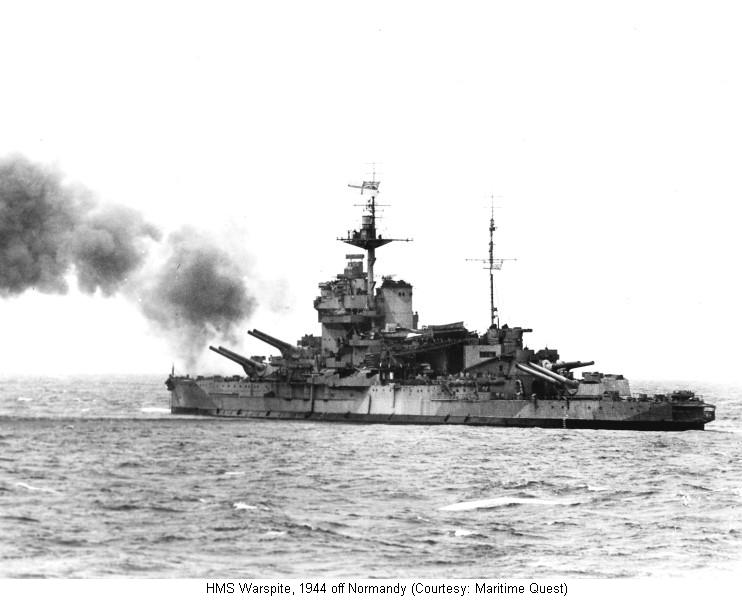
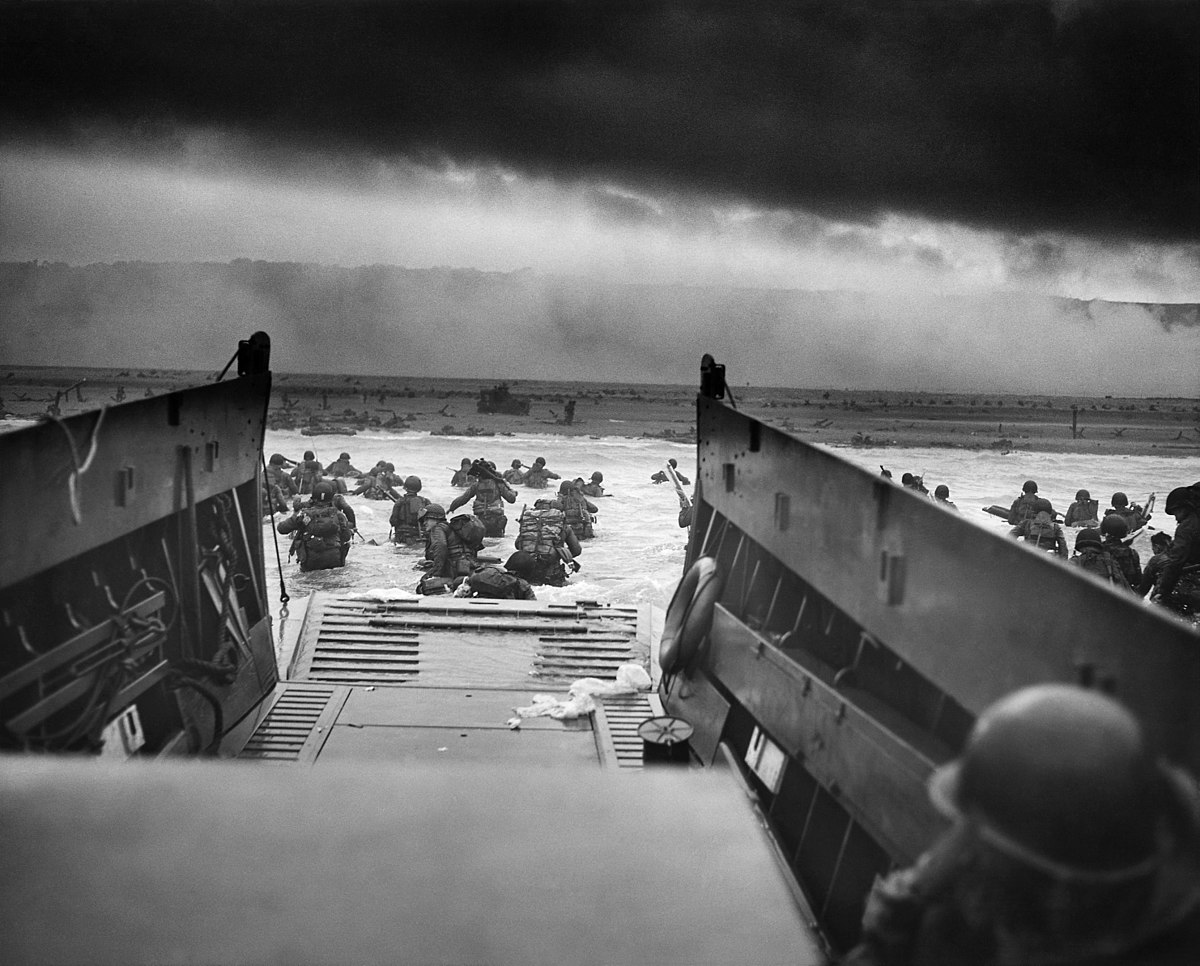
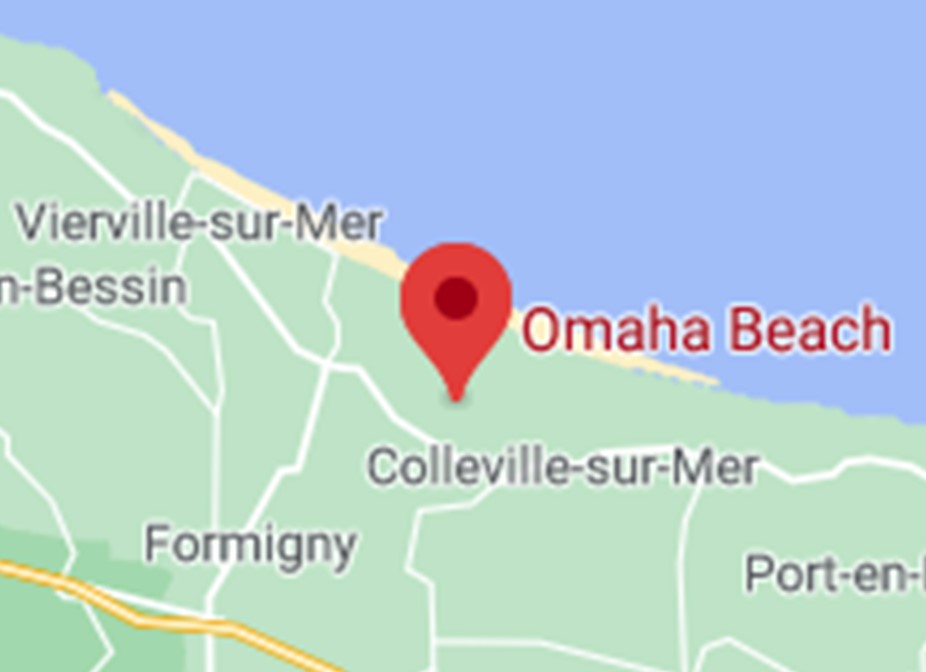
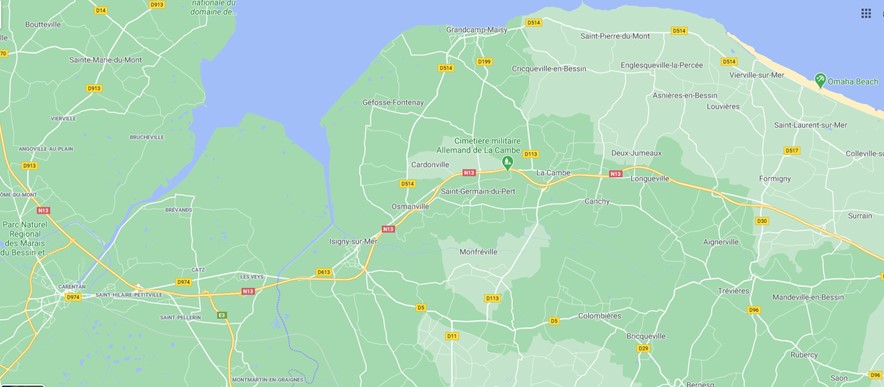
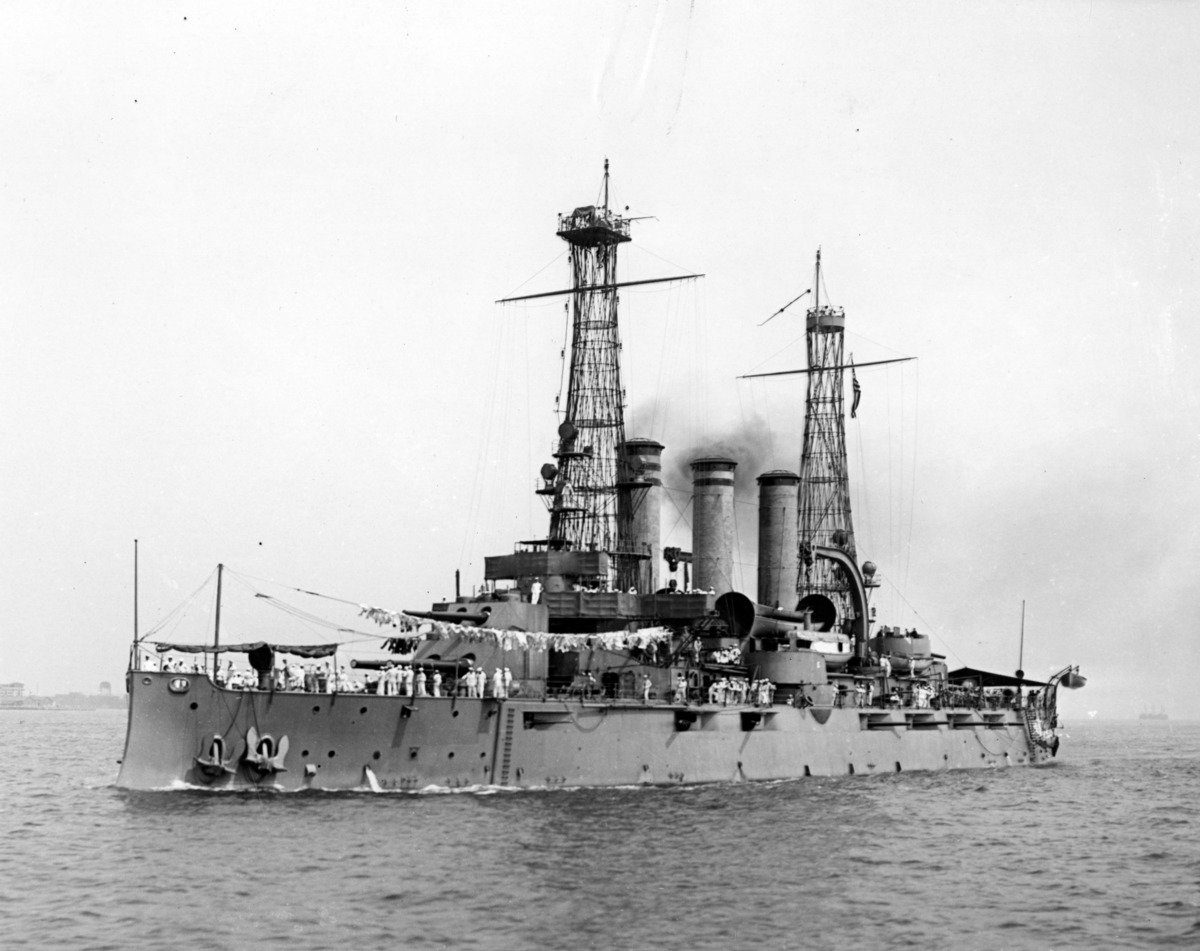
For instance, Saving Private Ryan is a great film of the Americans storming Pont du Hoc on Omaha beach D Day. I went on two D Day trips and then led my own party. Simple research demonstrated that not only was that event not typical of D day, but it was also not typical of Omaha beach much of which was taken without casualties. The Americans knew it would be difficult to take but their preparation was poor. They dropped 30,000 bombs on the beach none of which hit anything. The battleships Texas and Nebraska bombarded for 1 hour whereas the British ships, Warspite, Belfast and Roberts bombarded all day and 2 days later after re-arming were requested by the Americans to shell behind Carentan. Their troop carriers were dropped 7 miles out whereas ours were taken as close as possible. Some of their tanks with their hapless crews were dropped straight into the sea whereas ours were on the beach when the infantry arrived. This sort of sloppy preparation makes a poor film and takes nothing from the heroism of the ordinary soldier, but it happened. The record is all there – if you look.
Interestingly the first few frames of Saving Private Ryan show Abraham Lincoln writing a letter of condolence to a Mrs Bixtby on the loss of her 5 sons fighting for the Union. It is said to be one of the most beautiful letters ever written in the English language. But – a bit of research reveals Mrs Bixtby from Boston Massachusetts was a Confederate sympathiser and hated Lincoln. Not all her sons were dead, and some had not even fought but were claiming compensation. Oh, and Lincoln may not have written it anyway!
So, what did I find that no-one else has mentioned? The timeline reveals that the letter was written in the summer of 1864 when the Union casualties were so bad such a letter was the last thing the public wanted to hear about. It was buried until November when the fall of Atlanta made it politically acceptable!
Have I whetted your appetite to write something interesting on your favourite subject? Writing is very therapeutic. Stopped me going mad anyway!
So, try something. Surprise yourself. Surprise us.”
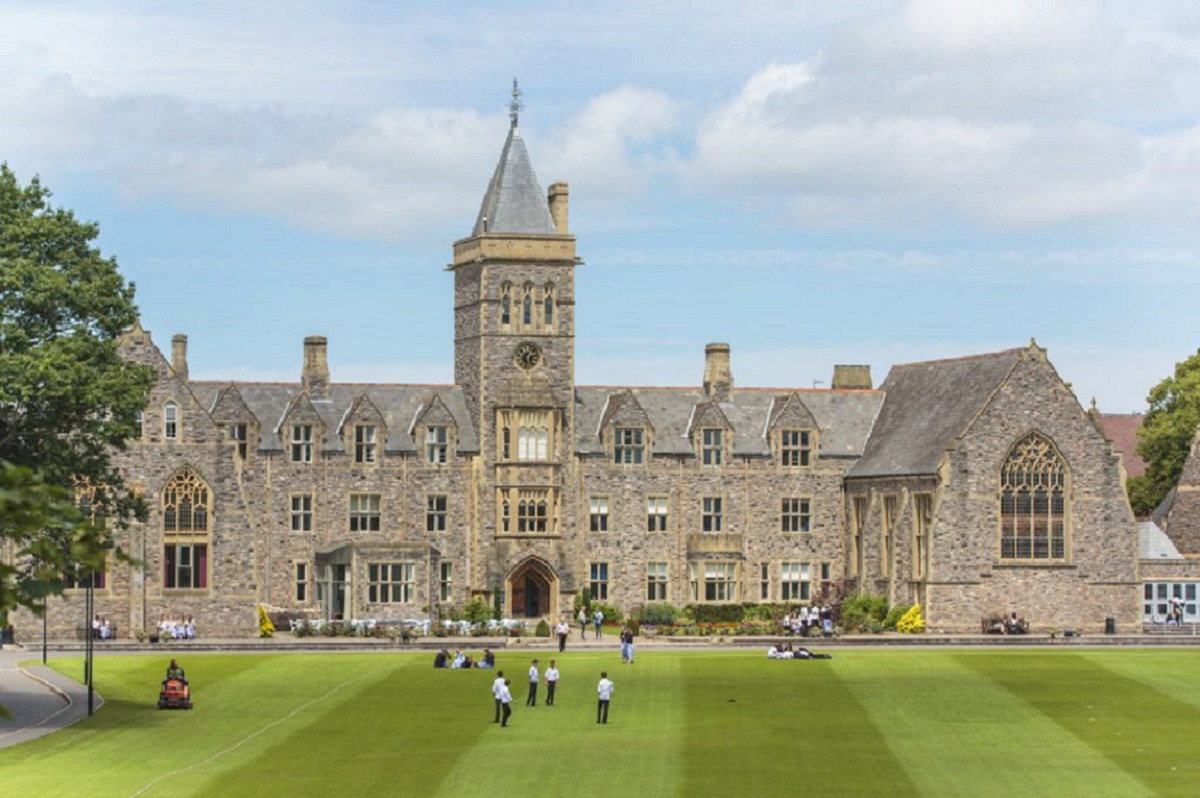
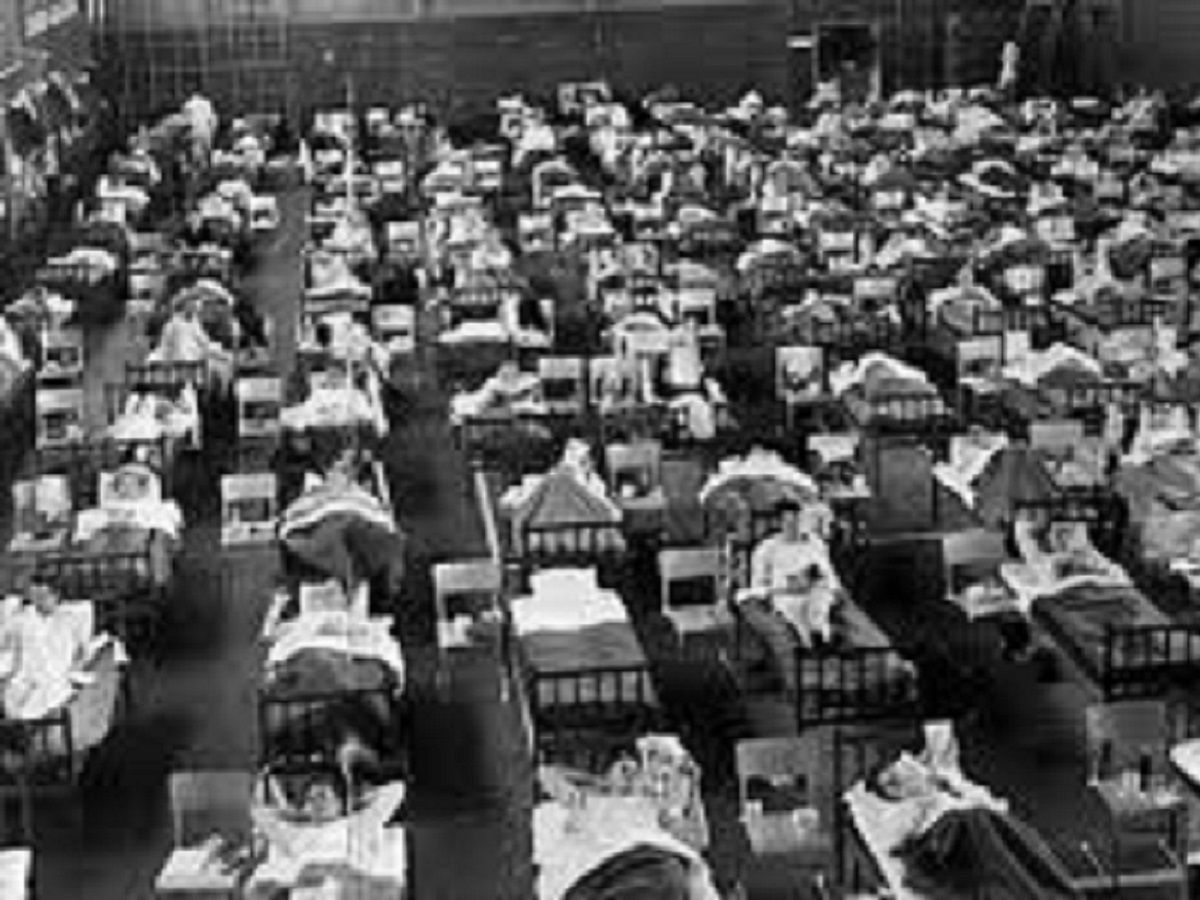
One of my friends gave his own contribution. He was a pupil at boarding school in 1957 when the Asian flu came and has compared it with 2020 and COVID-19. Its history. We can all do it.
Best wishes Charles
Dorset Directories for local events and businesses CLICK HERE
A Creative Impulse – Sculpture
My Hobby (or Lust to dust) by Alan Johnson
“He cannot retire until he has a proper hobby”- a comment by my wife the day before I was due to retire!!! That is how it all started some 15 years ago, so I selected direct stone carving or sculpting in stone as my hobby – please don’t ask me why, I just did okay and being DIY capable convinced me it would be easy. All I needed was an idea, and a suitable piece of stone (see below). So just like Michelangelo I acquired a lump of marble and a limited selection of tools that might be useful.
The stone was free. However, the idea took some time to materialise. Should the idea fit the stone, or the stone fit the idea?
What tools do you need ? I was to learn later that if it works use it. Buying tools can become addictive, a veritable money pit, so buy wisely – you can have too many. The selection below would be an absolute minimum.
So that was it, stone plus tools equals lots of time and mess. Oh, and don’t forget you may need a muse, or afflatus to encourage and guide you. Early progress can be seen below.
And now the finished article.
Select individual pictures to expand and scan around other pictures in the group.
The final view says it all, LUST TO DUST.
Examples of my labour of love.
Select individual pictures to expand and scan around other pictures in the group.