On a glorious May morning, a group from Ferndown Probus Club thoughts turned to wine. Nothing unusual in that I hear you say, this however was a bit different. We were at the absolutely gorgeous English Oak Vineyard just outside of Poole.
We were greeted by Andrew and Sarah who were not only going to guide us through the tour, but were also the creators and owners of the Vinyard,
The day started with Andrew explaining how they came to determine that this was to be their future, having been involved in other businesses, and the various steps along the way into making it a reality. This involved amongst other things in finding a site, researching the industry and the learning of new skills.
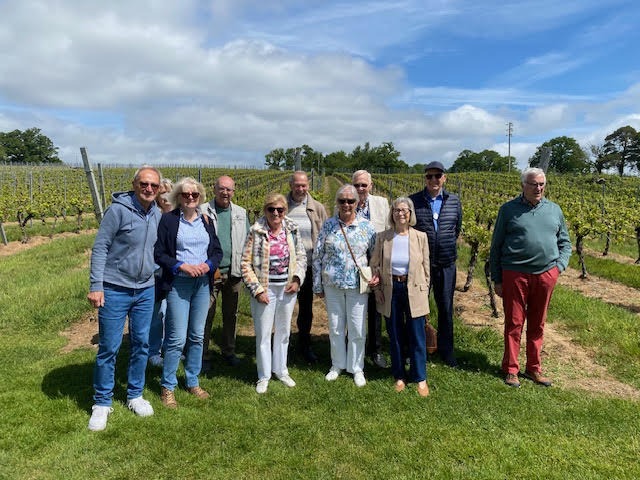
Sarah, who is very much the green fingered part of the partnership, then took us on a walk through the Vinyard, explaining the growing and care processes involved in growing the three varieties of grapes that they use to create the sparkling wines they produce.
It was then back to a classroom type environment to learn more about the actual wine making process from grape to bottle.
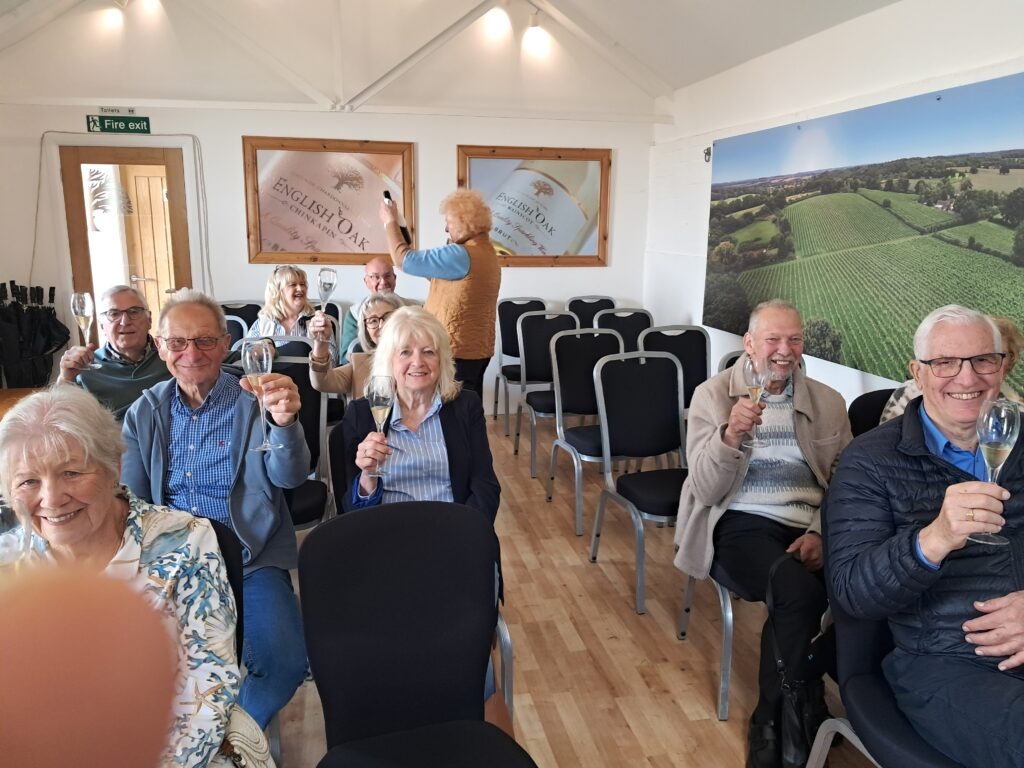
Finally we were invited to taste four of the wines that the Vinyard produces, all very different but all exceptional wines.
A fantastic trip, enjoyed (I hope) by all.
For me the one thing that really stood out was the love and great care that Andrew and Sarah put in to not only produce a truly great product but also a fantastic environment, thank you.
Dennis
Modern Magazines – Directories for local events and businessesCLICK HERE
On a glorious May morning, a group from Ferndown Probus Club thoughts turned to wine. Nothing unusual in that I hear you say, this however was a bit different. We were at the absolutely gorgeous English Oak Vineyard just outside of Poole.
We were greeted by Andrew and Sarah who were not only going to guide us through the tour, but were also the creators and owners of the Vinyard,
The day started with Andrew explaining how they came to determine that this was to be their future, having been involved in other businesses, and the various steps along the way into making it a reality. This involved amongst other things in finding a site, researching the industry and the learning of new skills.
Sarah, who is very much the green fingered part of the partnership, then took us on a walk through the Vinyard, explaining the growing and care processes involved in growing the three varieties of grapes that they use to create the sparkling wines they produce.
It was then back to a classroom type environment to learn more about the actual wine making process from grape to bottle.
Finally we were invited to taste four of the wines that the Vinyard produces, all very different but all exceptional wines.
A fantastic trip, enjoyed (I hope) by all.
For me the one thing that really stood out was the love and great care that Andrew and Sarah put in to not only produce a truly great product but also a fantastic environment, thank you.
ANNUAL GENERAL MEETING, HELD ON WEDNESDAY, 8APRIL 2026 AT 11.30AM, AT THE BRIDGE HOUSE HOTEL
1.Welcome
The President welcomed FPC Members to its AGM, noting that 38 members were in attendance.
2.Apologies for Absence
Chris Tremellen
3.Minutes of AGM 9 April 2025
The minutes of the 2025 AGM were agreed.
4. Matters Arising
No matters were raised.
5. Officers’ Reports 2025/2026
President’s Report
President’s report previously circulated to members via email.
Membership Secretary’s Report
Moira read out her report to the AGM, highlighting that lady members had taken on many of the Committee roles; that the FPC is a happy place to welcome new members, both ladies and gentlemen; and was hopeful for the Club to increase its membership and grow with continued success.
Speaker Programme Secretary’s Report
Rosemary advised that feedback on last year’s speakers would be welcomely received. Rosemary reported that Speakers had been scheduled throughout 2026.
Social Events Secretary’s Report
Dennis reported on the 5 social and enjoyable events that had taken place since the last AGM – met by a round of applause. Dennis had prepared posters of future events in 2026.
Lunch Secretary’s Report
Richard reported that lunches had been well attended over the last year, averaging 25-30 members, and that FPC had been well looked after by The Bridge House Hotel. Richard has scheduled for the room to be available on the 2nd and 3rd Wednesdays for the next 18 months. Richard went on to highlight the luncheon events that had taken place at The Burley Manor, Ferndown Golf Club (FGC) and The Remedy Oak (ROGC) last year, adding:
Lunch at FGC on 29/04/26 (free to members)
Xmas Lunch at ROGC on 09/12/26
Richard advised the AGM that he would be relinquishing his duties as Luncheon Secretary in the next 5-6 weeks as he and Mary were moving out of the area. Roy paid thanks to Richard and Mary and wished them good luck for the future – met by a round of applause.
Finance
Ian reported that the 2025 year end accounts, circulated via email in January, had been signed off. Agreement to the accounts was proposed by Dennis Carter and seconded by Roy Stradling.
6. Election of Officers and Committee Members
The posts for election onto the Committee, and those who have submitted their willingness to stand for a further year, were recorded as follows:
Welfare Officer – Consider at later date/in the meantime Roy Stradling
Raffle Coordinator – Isobel Torrent
Badges – Wendy Pratt
Committee Member – David Oddy7.
Election of Accounts Examiner
Michael Mansfield to continue in this role.
Roy thanked all Committee Members for their continued hard work in making FPC what it is today – a very happy and successful club. He now passed the chain of office to the newly appointed President, Alan Stevens, wishing him every success.
7. Address by New President
Alan Stevens passed a vote of thanks to Roy for his time as President over the last two years (in Roy’s unique, relaxed style).
Alan stated that he was looking forward to taking up the role as President. Alan joined Probus in 2017, having undertaken many roles. Alan observed that the club had a good atmosphere at both luncheon and coffee mornings.
Alan paid thanks to the FPC ladies for stepping forward to take up full club membership at a time when FPC had to relocate and at the same time lost a number of gentleman members. This input from the ladies served to prevent the club from closure, thus enabling FPC to build the strong position we have today. Alan requested the help of FPC gentlemen to address ways in which they could help balance the club’s membership by introducing gentlemen friends as new members.
To promote friendship and fellowship amongst retired and semi-retired ladies and gentlemen.
Membership:
3.1 The club shall be run on a non-profit making, non-political and non-sectarian basis. Membership shall be open to all gentlemen and ladies who have either semi- retired or retired from their occupation
3.2 A person applying for membership will be invited to attend at least one meeting of the club before their application can be considered by the committee.
3.3 Honorary Members may be elected at the discretion of the committee. Such membership is in acknowledgement of service to the club.
3.4 Associate members may be elected at the discretion of the committee. Such membership to include members, who due to age or ill health cannot attend regularly.
3.5 All members should be encouraged to serve the club.
3.6 Club members personal details will be stored and processed in line with the latest General Data Protection Regulations. (GDPR) as per our Privacy Policy document.
Officers and Committee:
4.1 The officers of the club shall be a President, immediate Past President, Vice President(s), Club Secretary, Treasurer, Speaker Secretary, Lunch and Social Secretary, Membership Secretary, social Events Secretary, all of which roles are fulfilled on a voluntary basis. The committee shall have the authority to add additional members. A minimum of four shall be required for a quorum.
4.2 In a normal year the President shall retire on completion of one year in office and will ideally be succeeded by a Vice President. The retiring President shall automatically become a member of the committee for the following year and will undertake the duties of Welfare Officer.
4.3 An Independent Accounts Examiner shall be elected at the Annual General Meeting. They shall not be a member of the committee.
4.4 In the event of a force majeure, the committee are authorised to make the decisions necessary to protect the future wellbeing of the club.
4.5 Club Rules may be altered only at an AGM or EGM for which three weeks notice has been given to members by the Club Secretary together with indication of the proposed alteration.
4.6 A majority of those present and eligible to vote shall be required to make the alteration effective. In the event of a voting tie the President shall have a second or casting vote.
4.7 Copies of the Club Constitution shall be posted in the members area of the Club website.
Meetings:
5.1 A lunch meeting for members shall normally be held on the second Wednesday of each month. A coffee morning for all members, partners and friends will normally be held on the third Wednesday of each month. Other activities for the mutual benefit and enjoyment of the members may be arranged.
5.2 The Lunch Secretary must be informed and payment made by 9am on the preceding Monday morning.
5.3 Unless special circumstances prevail, an Annual General Meeting shall be held during the April meeting each year, at which officer reports will be received and the election of Officers and Committee shall take place. Nominations for the officers and committee members must be notified to the Club Secretary prior to the March meeting.
5.3 The examined Financial Report for the previous financial year will be presented at the AGM.
5.4 An Extraordinary General Meeting shall be called by the committee whenever they think it necessary, or at the request of not less than one third of the current membership. No business shall be conducted at an EGM except such as stated in the notice convening the meeting.
5.5 Voting at all meetings shall be by a show of hands (or ballot if so required) by a majority of those present and eligible to vote. In the event of a voting tie the President shall have a second or casting vote.
5.6 Gentleman Members to wear smart casual.
5.7 Committee meetings to be held 3 – 4 times a year.
Subscriptions and finance:
6.1 The club financial year shall run from 1st January until 31st December.
6.2 The annual subscription is payable by each member and is due on or before the February meeting. Members who have not paid the annual subscription by the date of the AGM in April shall be deemed to have resigned.
6.3 Honorary and Associate members do not pay an annual subscription but retain full membership.
6.4 The committee shall have the power to vary fees, subscriptions etc as and when deemed necessary.
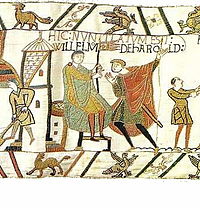
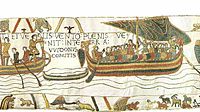
I imagine that most people of my generation learnt their first history from the stories related by our Primary school teachers. Alfred and the cakes! Robert the Bruce and the spider. Elizabeth 1 and the Armada. It was all part of our National story and whether we realised it or not, imbued us with a sense of who we are. As the years went by my interest increased until when I was about fifteen I decided to read the Oxford History of England, originally in 14 volumes. I think I read about 8. The general theme was that although all events had varying consequences our island tale had all happened for the best. Whatever remarkable event occurred, Roman invasion, Saxons, Vikings, Normans etc had changed us for the better. It occurred to me that since every generation had been brought up with the fait acompli, it would be bound to say it had happened for the best. But to me there were two events where things had gone totally wrong with long standing consequences for the worst. The two were the battle of Hastings 1066 and the battle of Bosworth 1485. Both battles were over in a day, probably less, and had consequences lasting centuries and in the case of Bosworth, consequences which we live with today.
Hastings resulted in a change from Saxon rule to Norman rule. The well ordered Saxon England with its series of fines for all misdemeanors (if you could not pay you became a slave) was replaced by the feudal system where everything was owned by the King and hived down until you had the peasants totally beholden to their immediate lord. Law was enforced by the Church and the Manor. It might be observed that the medieval peasant held between 1 and 20 acres as compared with modern man and woman! It was not until the Black Death in the mid 14th century when land became abundant and labour expensive that the feudal system crumbled. Its an ill wind that blows nobody any good!
Norman rule resulted in the suppression of the English language. Norman French became the language of the nobility and it was not until the 14th and 15th Century that English surfaced again with William Langland who wrote Piers the Plowman and Geoffrey Chaucer who wrote everything else. The Parliament of Richard III, about whom more later, wrote its acts in English for the first time.
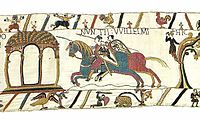
The irony was that Harold Godwinson, King Harold II, was in the end undone by the very orderliness of Saxon England and the actions of his best supporters. Such was the organisation of Saxon England that it made it a fine prize. Sure, there had been bad Kings but it was the land of Athelstan and Alfred the Great and even Aethelraed Aenraed (Ethelred the Unready) had lasted 30 years under tricky circumstances with the Danes! It was a prize worth taking and William Duke of Normandy designed a huge financial venture which attracted many martial forces. When Harold realised that William would invade he had at his disposal his house carls and also the militia, the Fyrd. He therefore called out the Fyrd of the Southern counties and took position on the Isle of Wight. It was the duty of men to support their King when called but they were not knights or fighting men and there were rules. You could not be called out for more than 2 months and you need not be called out twice in a campaign. This may seem strange to us in a time of National threat but this was orderly Saxon England. It says a great deal for the authority and popularity of Harold that he was able to keep this Fyrd out for 4 months! But then it had to be disbanded and that was that.
Harold’s brother Tostig in the North had fallen out with him and in a fit of pique asked Harald Hardrada of Norway to join him and invade Northern England. Interestingly at this time Harald was not at war with anyone and jumped at the chance. They invaded and eventually chose as their target, York and sailed up the Ouse. This is where Harold’s supporters let him down. The two Northern Earls, Morcar and Edwin, called out a Northern Fyrd from 7 counties (Durham, Northumberland and Cumbria were not then shire counties) and despite much in their favour were soundly beaten at Fulford. This meant that later, in his time of need, Harold could not call upon the aid of these Earls or the Northern Fyrd. Harold responded in an amazing fashion. He now had to attract a new Fyrd which he did from Essex, Cambridge and Worcester. Alfred Byrne says that ‘the campaign was a feat of endurance that it is hard to match let alone to beat. It was a tribute to the organisational and logistical strength of the English army under King Harold.’ The ensuing battle at Stamford bridge was not only a huge victory for Harold and the English over Harald and the Vikings but it ended the Viking threat to these islands forever. Of the 300 ships which invaded only 24 went back.
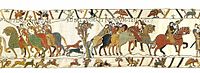
Harold now had to face the invading Norman army. He had his victorious house carls but now had to attract a new Fyrd, the fourth of the year. This is the moment he could have used the men, uselessly sacrificed by Edwin and Morcar, who both survived incidently and were tucked up in safety at York. Men from Berkshire, Essex and Kent were now called. It is often said that Harold missed his men still coming down from Stamford bridge. It was men from the new Fyrd he was missing.
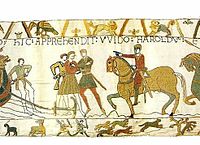
So Harold and the English were defeated and Norman rule began. Since history is written by the victors it is portrayed as the start of a new golden age. In fact it gave us the oppressive feudal system, suppressed our language, gave us a series of violent unstable Kings, a civil war and never ending European conflicts. It is sometimes said that the Normans gave us the jury system but that preceded them by about 50 years. The country was infested with castles to enforce the rule and the church became a militant and dominant force. The Normans were indomitable – until Chaucer and the Black Death saw them off!
On August 22nd 1485 on the Julian calendar, King Richard III was killed in battle fighting for his throne. He was a good King and as Cardinal Wolsley was told in Henry VIIIs Parliament, ‘he made good laws.’ He strove mightily to make sure that justice was done and in his only Parliament of January 1484, was able to pass 3 ground breaking laws. Firstly he passed a conveyancing law which stopped people selling property with covert entailments or other unmentioned problems. He introduced the bail law. It had been possible for the nobility to accuse folk of a crime and by the time they had been acquitted, weeks or months later, their lands or property had been taken. He also made sure that jurors had a certain wealth to try and avoid bribery by wealthy nobles. All this did not endear him to the rich nobility. And this was Richard’s problem. He was a decent man and put decency and the English first. When his brother Edward IV re-ignited the 100 years war (where the English King claimed also to be the King of France) and eventually accepted the French King’s bribe at Picquany, Richard demurred. It was duly noted by the French. The actions of English privateers on the French was also not welcome. In 1482 Richard was sent by his brother on a chevauchee of the Scottish border. He later went to Edinburgh and nearly caught the Scottish King and took Berwick upon Tweed. This did not endear him to the Scots. He defended the ordinary folk against the power of the declining monasteries which set him against some parts of the church. He even promoted the first cod war against Iceland in 1483! He had been in conflict with Lord Thomas Stanley, a mighty Northern lord and step father to Henry Tudor, since he was 18 when he opposed him in favour of the Harringtons of Hornby. Richard’s reputation was trashed by the brilliant tragi-comedy of Shakespeare for centuries, but modern scholarship (and some old) has revealed a man who wanted to be a good King and could have been a great King. He had come to the throne because the three estates of the land, the Lords temporal and secular and the commons, had asked him to. Edward V, son of Edward IV was illegitimate, and whether Richard had become King or not, the reign of Edward V would have been untenable and Henry Tudor would still have vied for the throne.
In the end the French, the Scots and the disaffected nobility did for him. Ann of Beujeu, sister of the sick Charles VIII, gave Tudor 2000 French regulars, the only regular soldiers present at the battle and they made a difference. 1000 Scots joined in.
Richard and the Yorkists went and the Tudors began. What does it matter? The Tudors became obsessed with dynasty. Richard had no legitimate heir but he was content to name his sister’s son as heir. Not so HenryVIII who was prepared to sacrifice a long and happy marriage and the head of his lover to beget a male heir. In doing so he broke with Rome and replaced the Pope with himself. Roman Catholicism was replaced with English Catholicism. Not a great deal of change there. The dissolution of the monasteries went down well with those vultures who benefited financially. Prior to the Black Death the first son inherited the land, the second son became a knight to fight when required and the third son went into the church, often the monastery. As land became abundant there was no need for this so many monasteries who had had 100 monks were now down to 10. They were on their knees in decline anyway. But when Henry VIII died aged 57 he was followed by the son of the Protestant Jane Seymour, Edward VI, aged 9. In the 6 years of his reign England was changed form Catholic to Protestant. The saints days and festivals went, the churches were stripped of their colour as well as their icons and much that had defined Merry England had been stripped away. Edward only lasted until he was 15 and then, despite an attempt at putting a talented 16 year old Jane Grey on the throne, the new monarch was the violently Roman Catholic daughter of Catherine of Aragon, Mary. Henry VIII had enjoyed burning people alive (he was the model on which the Mad King of game of Thrones was based) but Mary revelled in it. 300 at Tyburn. Such was the effect of this period that in 1688 when England chose James IIs daughter Mary and her Dutch husband over her father, the phrase ‘mass or the stake’ was still on men’s lips. The antipathy to Roman Catholics lasted centuries and is still manifest today in that our Monarch cannot be a Catholic. Sensibly after these two religious fanatics, Edward VI and Mary, Elizabeth I stepped back and stated ‘I have not a window into men’s minds.’
Ireland, I would suggest, also has problems from the Tudor legacy. The Yorkists got on well with the Irish lords. (They were all descended from Normans anyway.) They basically left them to get on with things. Not so the Tudors and the Protestant plantations of Elizabeth’s reign set the seeds for centuries of conflict which we still have today.
Bosworth was touch and go. Richard was defeated by many things and in the end it was his own courage and confidence which caused the final moment. He could have cut and run but it was not his way. The Yorkists fought again two years later at East Stoke and Richard could have been there. More likely is that Henry’s French regulars would have gone home in a few days, as in fact they did, leaving Richard dominant. But it was not his way and we have been left with the Tudor legacy of religious strife and Irish hatred.
It seems appropriate in this time of pandemic to mention the Black Death. I have not included it as a moment where things went wrong for two reasons. Firstly it was an event totally out of control of the human race. It was appalling. 40% of the population died (20% for the nobility.) It came back a dozen times between its peak of May 1349 and 1485 as each new generation reached breeding age thus keeping the population low at about 2.5 million. It must have been a horror of all horrors and says much for the fortitude of medieval England and the power of the Church that the country came out of it. Because come out of it we did with a number of advantages. The loss of bodies meant that labour became more valuable. GDP went down but wages went up. (Compare the recent times of mass uncontrolled immigration when GDP rose but wages were static or fell.) Land was plentiful and land was the main source of medieval wealth. People became more important and that meant girls and women. More girls went to school. More girls obtained apprenticeships. (As an aside it might be noticed that Edward III before the Black Death had 5 blacksmiths one of which was a woman. Women have never been a suppressed gender in England.) The Church lost some of its power as the sons need not find it a safe haven. In many ways the time between Black Death and Tudor times, when the pestilence seemed to give up its hold and there was a population explosion, could be described as a ‘golden age.’ Its a matter of opinion.
What were the Americans Doing?
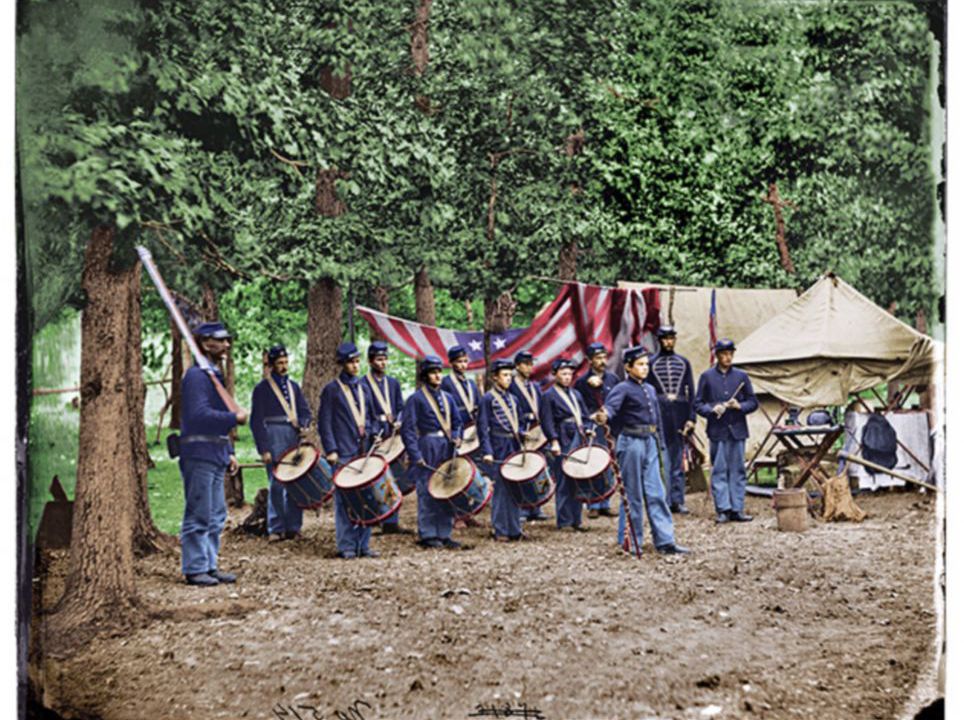
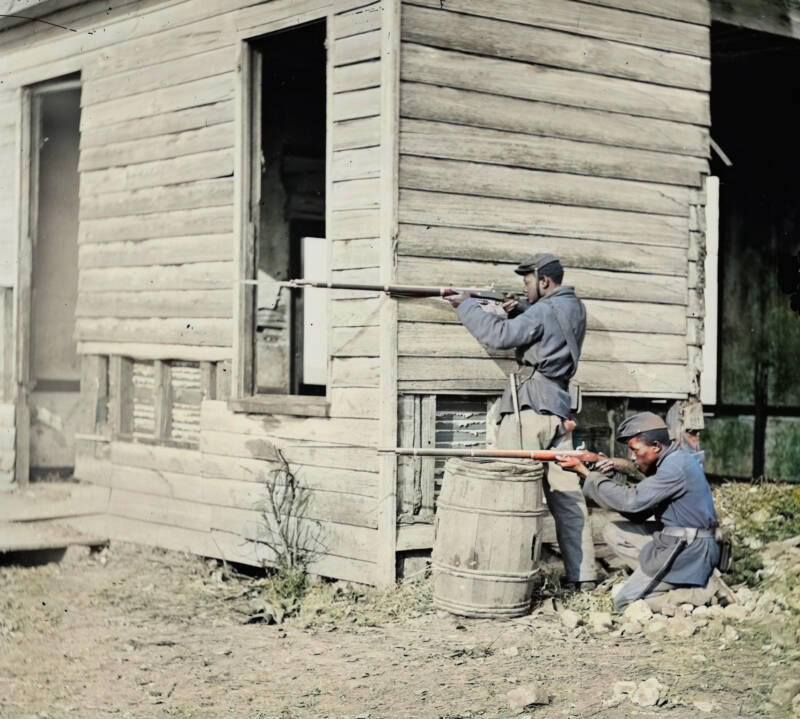
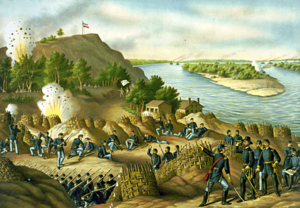
We are living in unprecedented times! How many times have we heard that? So it might be well to observe that back in precedented times things were pretty unprecedented too, the American Civil War being one of them. Today we are fighting a virus. It is smaller than the wavelength of light which is why we can’t see it under a light microscope. But we know what it is and what it looks like and tens of thousands of things about it. During the ACW they had legions of diseases and certainly knew a lot about them but not what they were. Bacteria were discovered in 1676 by Antonie van Leeuwenhoek but the linkage to specific diseases was developed by Koch after the ACW. Viruses were not identified until the 1930s although vaccination had been developed by Edward Jenner 1798.
What legions they were! Measles and Mumps were killers. Typhoid, Typhus and Meningitis also. Chest infections going by the names of colds, epidemic catarrh, acute bronchitis were rife. And pneumonia, sometimes called the old man’s friend because it was a peaceful terminal event, was the young man’s enemy. In an age of anaesthetics but no muscle relaxants the patients had to be held down to control their spinal reflexes. Inhalation pneumonia would occur. The vomiting patient would inhale his own vomit and the gastric juices would begin to digest their own lungs. Why else would Jackson have developed pneumonia 3 days after an arm amputation? Malaria was another problem especially in swampy areas. We should also mention diarrhoea from all its causes, whether various forms of dysentery or other types. Remember the Virginia Quickstep and the Tennessee Trots? Don’t forget the Evacuation of Corinth! Cholera could be a problem but mercifully there were no outbreaks in the ACW. Various forms of hepatitis were about but fortunately were probably Type A with low mortality. Tuberculosis was common in the respiratory form (consumption) but also the lymph gland form (scrofula.)
Oh, I nearly forgot Smallpox! Even Abraham Lincoln got it after the Gettysburg Address. “Now I have something I can give everybody!” They said it was mild but he did not recover until mid December. It certainly stimulated vaccination! The southern ports occasionally had visitations of Yellow Fever with a mortality of 20-50%. The counter weapons were quarantine and sanitation. Say what you like about Benjamin Butler, he kept Yellow Fever out of New Orleans.
Quarantine and sanitation were the only weapons they had. Thank heavens for progress and moving on to social distancing and hand washing. There were plenty of other diseases about, not very kind to men undernourished, dehydrated and exhausted so that mortality increased during the war despite better sanitation.
During lock-down over a year ago I started writing a book. It started from the anecdotes about my patients which had been in my head for years intertwined with the changes in Family Doctoring which I had experienced. I called it the Life and Decline of the Family Doctor and this is what I wrote about it and put on the cover.
This book comes from my experiences as a family doctor in a small town in Dorset England for 38 years covering 1972 to 2010. During most of that time being a Family Doctor was more than being a General Practitioner. I have tried to explain the changes that occurred without trying to extol the virtues of a golden age which never existed. The process of computerisation, advances in medicine, change in the family, de-skilling of the doctor, training of GPs and the rise of the ‘portfolio’ doctor are covered hopefully without over-doing it. I hope I have explained how doctor and patient became distanced and why. All through this period the control by Government extended. The Doctor now works for the Government and not the patient.
Since I retired from the Practice 10 years ago the concept of a patient having their own Doctor for decades or generations has largely gone. What I have tried to do is to explain the changes and why they happened and to do it through the people I lived along side and cared for. They were sometimes hard work, sometimes irritating, often chaotic and occasionally terribly funny. But in the end they were my patients and I was their Doctor.
Whilst trying to get it published I realised that having been a medical student in the 1960s and a junior doctor in the 1970s there was another tale to be told. I called the first part ‘I was not a good medical student’ and the second part ‘Blunt but Good’
The result was a trilogy starting with a young man having lost his mother at age 11 wanted to make a difference. It plots the course from an 18 year old who had discovered the freedom of being a student away from home, the years at medical school, through the truly hard time of being a junior doctor in the 1970s to being a successful Family Doctor and GP Trainer. After 48 years of work and at least 300,000 patients (seen face to face!) later it was mission accomplished.
The final book is called Mission Accomplished and is available by googling Amazon or Author House Bookstore and searching for Charles Rees or Mission Accomplished. There are 247 pages of pithy, easy to read dialogue which may jog your own memories of the past and certainly some things you never knew about East Dorset!
The comments from my old medical student friends has been gratifying but this is my favourite: It was a most enjoyable read, in fact quite a page turner. You write well in a conversational style, almost like being entertained over a pint in a pub. There was nothing I found uninteresting, and many stories were fascinating, which merely confirms the notion that the colour of Medicine is not so much in the illnesses that come your way, as the surprising situations in which they do and the impact they have. I enjoyed it so much, I read it twice.(Retired senior anaesthetist Leeds General Infirmary.)
About the author
Charles Rees
Charles Rees is a retired GP who spent 38 years in one East Dorset Practice and worked as a doctor in the NHS for 48 years. He was involved in Training GPs for over 30 years. He was made a Fellow of the Royal College of GPs in 2006.
My wife , Dot has read Charles’ book for a little relaxation whilst undergoing dialysis and the read didn’t cause her a setback. In fact she found it quite enlightening and amusing and she still seems to be improving as far as the dialysis is concerned indicating that the book is a good read.
Inspired by Rod Woodworth’s article about his visit to the Taj Mahal, it brought back many enjoyable memories of the time I spent working with OXFAM as Fair Trade Director, during which I spent quite a lot of time in Delhi and also had the pleasure of visiting the Taj Mahal. Two of those memories are recalled below.
Fair Trade organisations are in place throughout Europe and their aims are to ensure that small scale producers are provided with support to develop the necessary business and production skills to generate self-sufficiency, a distribution network through which to sell their products to the market and to promote the concept that producers are paid a fair rate for the goods they make.
OXFAM was a leading member of the European Fair Trade Association and at the time my job for 4 years was as Fair Trade Director. That mainly included representing the company at Fair Trade organisations in the UK and Europe to help develop a coordinated approach to promoting fair Trade, acting as a Board Director of Café Direct, and taking management responsibility for a small team of 9 staff working overseas on capacity development in the poorer areas of the world plus a 100 strong business team and distribution centre in and around Oxford.
One of the nine overseas team was a guy from Bangladesh named Mohammed Islam. Mohammed grew up in a very poor household in Dhaka and in his childhood sold matches on the street to help generate income for his family. He stood around 5’6” tall but was a larger than life character with a big deep voice and a hearty laugh. He was very kind to my oldest son Nick who was at the time a trainee teacher. He organised a month’s summer work experience for Nick in Bangladesh where he lived in the villages and travelled around evaluating the effectiveness of an OXFAM teaching project, which culminated in a published report and a concluding presentation to OXFAM management. The following Spring Mohammed visited the UK, so I invited him to stay with us in Maidenhead for the weekend. We decided that he might be interested in a surprise visit to the nearby Windsor Castle, thinking it would be a new experience for him. Towards the end of our visit we were walking down to see the chapel, when he suddenly looked up at a building on our left and announced that he had slept in the room we were looking at. I first of all thought he must be joking, but it turned out that the daughter of the Chaplin of the Windsor Castle chapel worked at OXFAM and had invited him to stay during an earlier weekend. Who would have expected our man from Dhaka to have been so near to our British royalty, and modest enough not to let on and spoil our surprise visit.
Another member of the team was Retno who lived in Jakarta, Indonesia. In 1999 Sue and I visited China on holiday and booked a week in Bali on the way home. One of our producer partners was the Lombok Pottery Centre from whom we purchased good quality products to sell in our OXFAM shops. With Lombok located just off the coast of Bali, I invited Retno to come over and to join us and organise a day visit for us to see the Lombok potters in action.
Select individual pictures to expand and scan around other pictures in the group.
The member potters of the Lombok Pottery Centre are women who work from home using handed down skills from earlier generations to produce pots that are then sold by the LPC in both local and export markets. The women are paid a fair price for their pots and also benefit from an annual profit share, all of which helps them to provide their children with a better education to equip them with the qualifications to achieve a better life, plus essential health care when required. When we visited, our producer (above) was working on her front step. Her husband was asleep as he had no work at the time and her children were at school. The house she lived in was largely built from the proceeds of her pottery work.
The production process is a very simple one, but it takes a lot of skill to produce a good quality finished product with the limited materials and equipment available. The terracotta pots are made at home from locally sourced clay and then fired in bonfires of dried rice stalks. The popular black pattern is achieved by adding rice husks during the firing, which when burned add the black coloration.
An example of the style of the Terra Cotta pots produced by women in small villages in Lombok and sold in shops like OXFAM all around Europe.
It was very rewarding for us to see our OXFAM Fair Trade operation at work first hand and when we returned home, what we had learned from our visit provided strong motivation for our UK based team to continue their good work. All in all, this visit provided me with one of the happiest memories from my working life.
Dhaka is the capital city of Bangladesh, in southern Asia. Set beside the Buriganga River, it’s at the centre of national government, trade and culture. The 17th-century old city was the Mughal capital of Bengal, and many palaces and mosques remain. American architect Louis Khan’s National Parliament House complex typifies the huge, fast-growing modern metropolis.
Hi fellow Probus Club members, we are all part of history and we want you to recognise your ability to develop our interest in things historical or older. It has been suggested by Gerry that we could contribute to the website with our respective historical interests.
I suggest you write something. I know you are all clever people, but you may not have thought about writing about history. Why not? Everyone else does!
I have written tons of stuff to do with my own historical interests and I do not want to hog things but perhaps I could stimulate your interest a little. What I found out when investigating almost anything historical is that there is nearly always an angle which no-one else has come across.
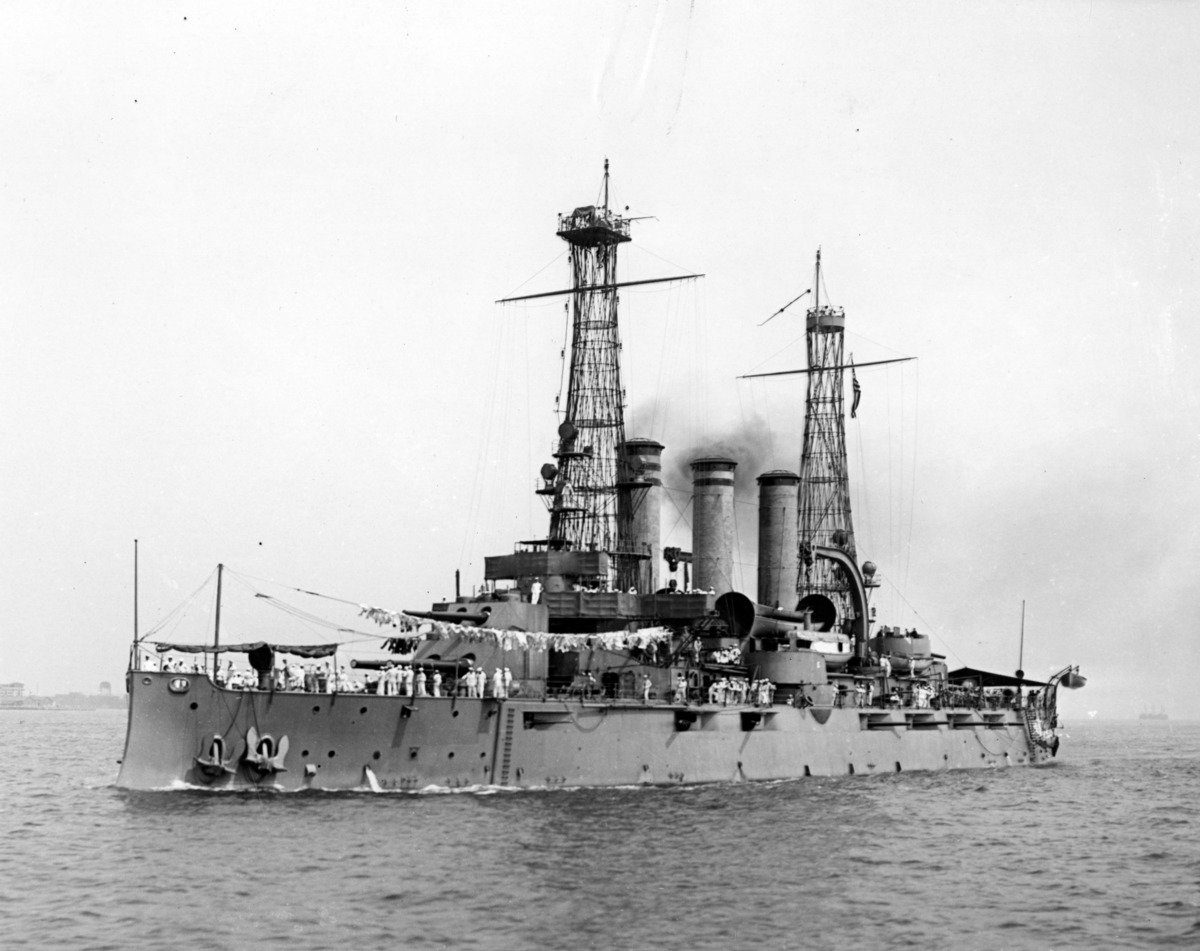
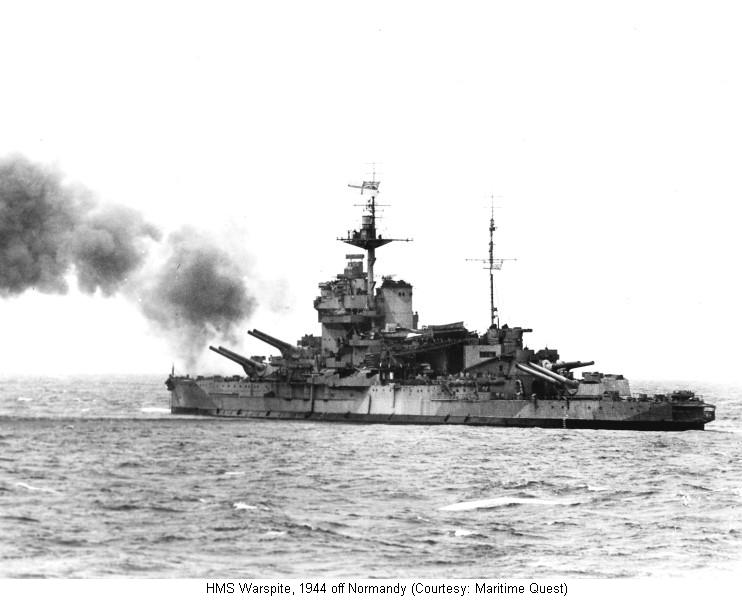
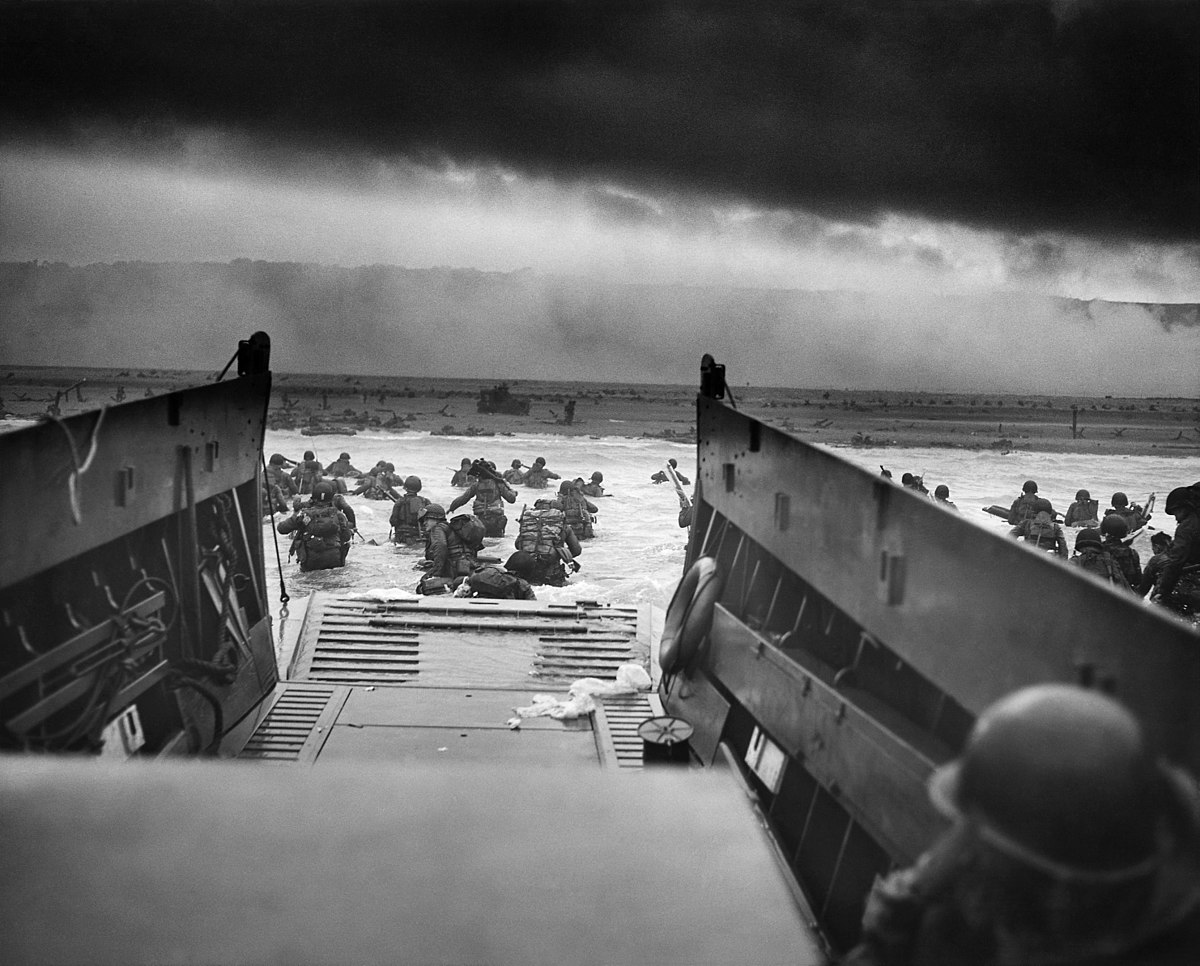
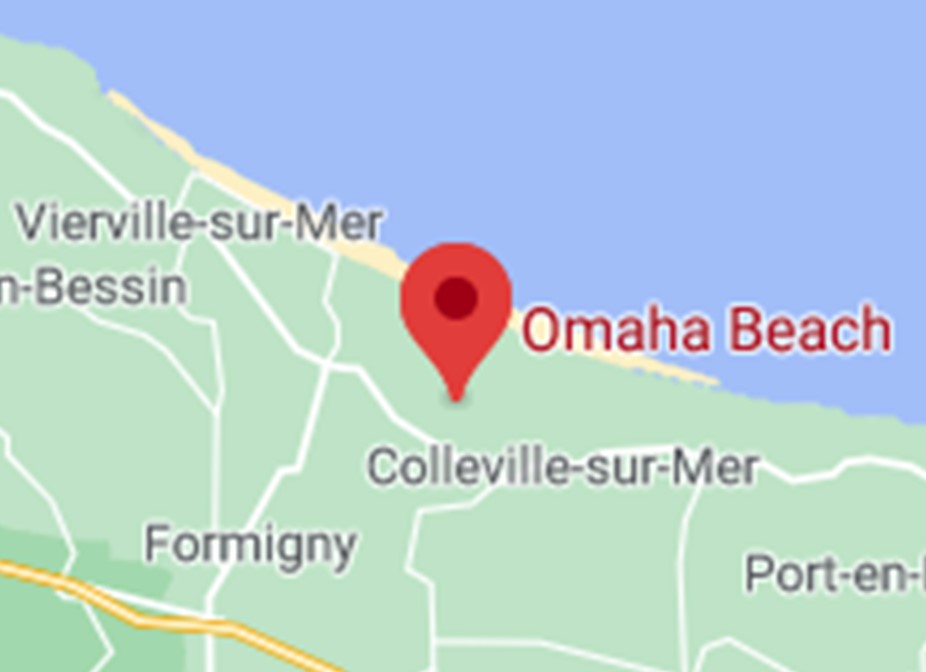
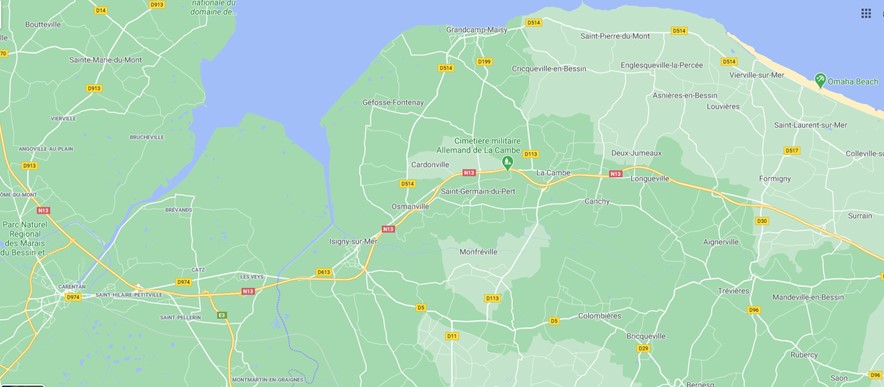
For instance, Saving Private Ryan is a great film of the Americans storming Pont du Hoc on Omaha beach D Day. I went on two D Day trips and then led my own party. Simple research demonstrated that not only was that event not typical of D day, but it was also not typical of Omaha beach much of which was taken without casualties. The Americans knew it would be difficult to take but their preparation was poor. They dropped 30,000 bombs on the beach none of which hit anything. The battleships Texas and Nebraska bombarded for 1 hour whereas the British ships, Warspite, Belfast and Roberts bombarded all day and 2 days later after re-arming were requested by the Americans to shell behind Carentan. Their troop carriers were dropped 7 miles out whereas ours were taken as close as possible. Some of their tanks with their hapless crews were dropped straight into the sea whereas ours were on the beach when the infantry arrived. This sort of sloppy preparation makes a poor film and takes nothing from the heroism of the ordinary soldier, but it happened. The record is all there – if you look.
Normandy Beaches
Interestingly the first few frames of Saving Private Ryan show Abraham Lincoln writing a letter of condolence to a Mrs Bixtby on the loss of her 5 sons fighting for the Union. It is said to be one of the most beautiful letters ever written in the English language. But – a bit of research reveals Mrs Bixtby from Boston Massachusetts was a Confederate sympathiser and hated Lincoln. Not all her sons were dead, and some had not even fought but were claiming compensation. Oh, and Lincoln may not have written it anyway!
So, what did I find that no-one else has mentioned? The timeline reveals that the letter was written in the summer of 1864 when the Union casualties were so bad such a letter was the last thing the public wanted to hear about. It was buried until November when the fall of Atlanta made it politically acceptable!
Have I whetted your appetite to write something interesting on your favourite subject? Writing is very therapeutic. Stopped me going mad anyway!
So, try something. Surprise yourself. Surprise us.”
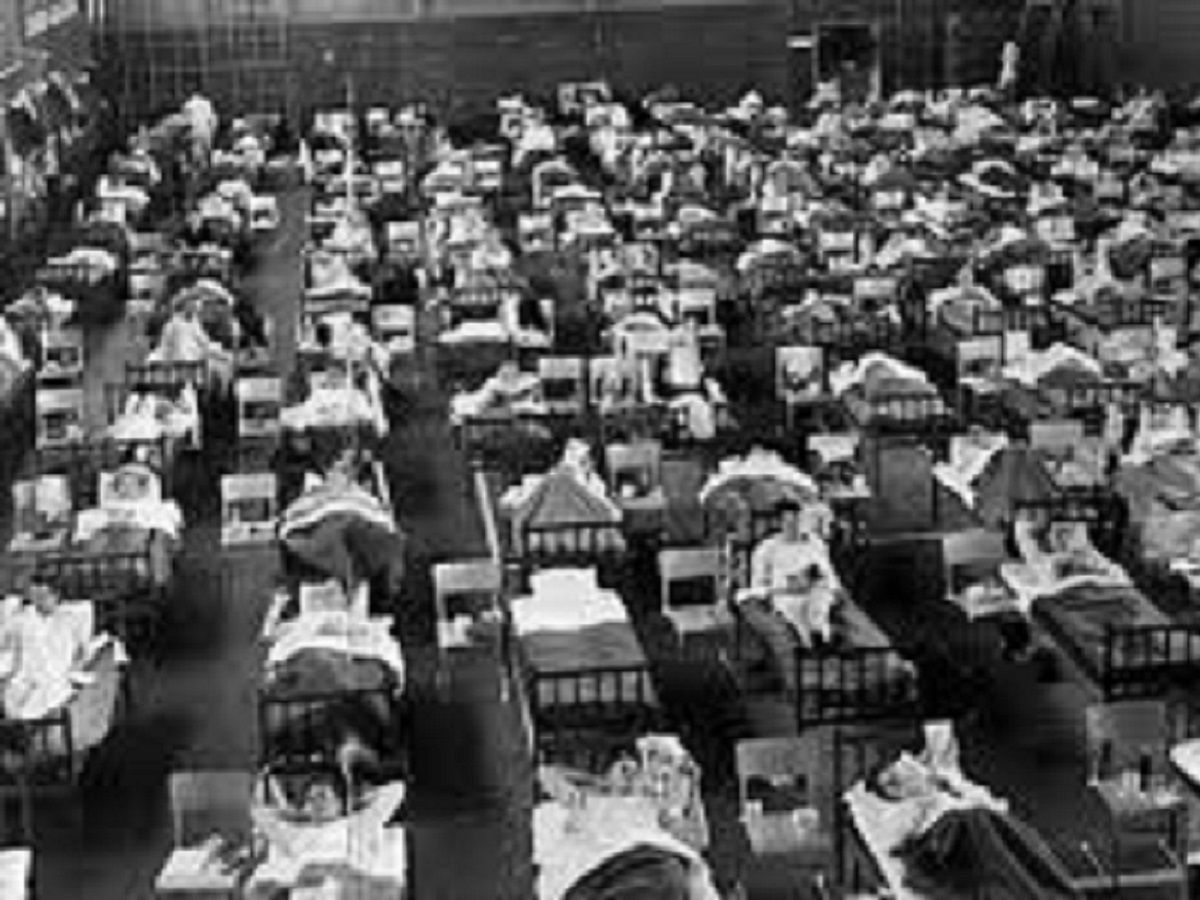
One of my friends gave his own contribution. He was a pupil at boarding school in 1957 when the Asian flu came and has compared it with 2020 and COVID-19. Its history. We can all do it.
Abraham Lincoln 1809 – 1865
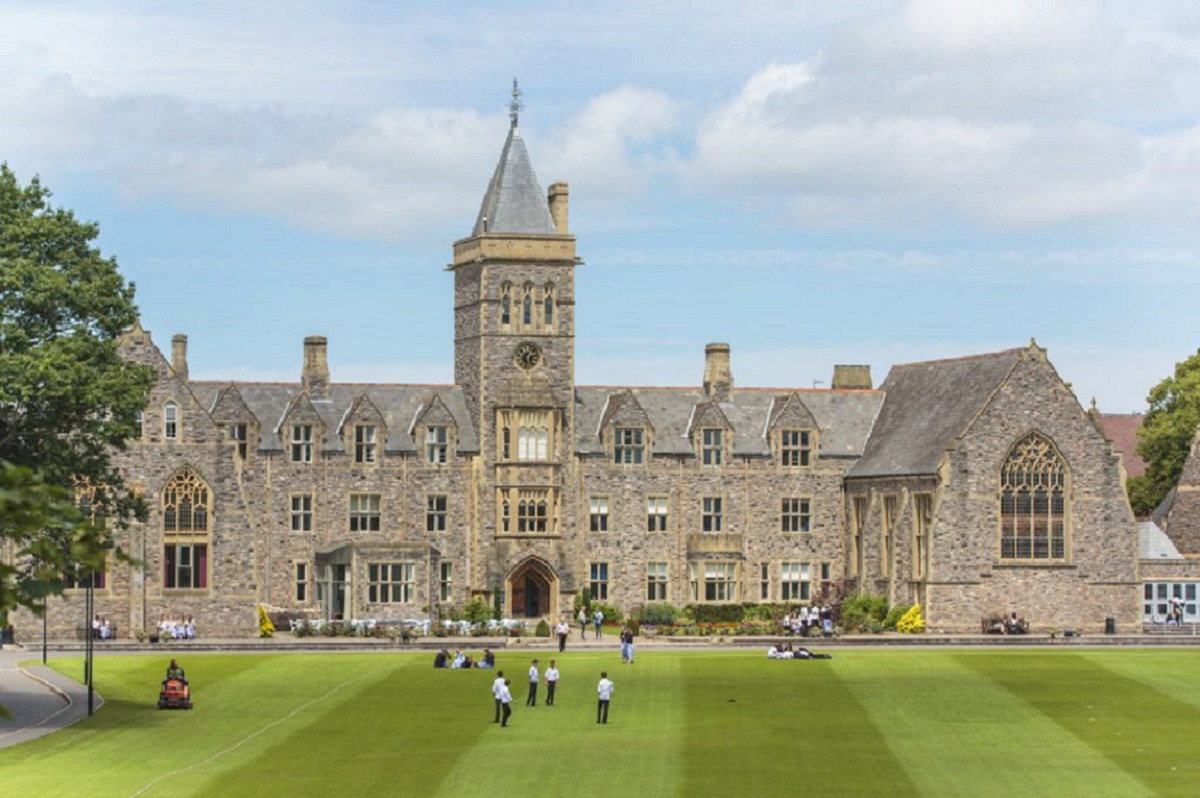
Taunton Main School
Taunton School Asian Flu 1957
Best wishes Charles
Dorset Directories for local events and businessesCLICK HERE
“He cannot retire until he has a proper hobby”- a comment by my wife the day before I was due to retire!!! That is how it all started some 15 years ago, so I selected direct stone carving or sculpting in stone as my hobby – please don’t ask me why, I just did okay and being DIY capable convinced me it would be easy. All I needed was an idea, and a suitable piece of stone (see below). So just like Michelangelo I acquired a lump of marble and a limited selection of tools that might be useful.
The stone was free. However, the idea took some time to materialise. Should the idea fit the stone, or the stone fit the idea?
What tools do you need ? I was to learn later that if it works use it. Buying tools can become addictive, a veritable money pit, so buy wisely – you can have too many. The selection below would be an absolute minimum.
So that was it, stone plus tools equals lots of time and mess. Oh, and don’t forget you may need a muse, or afflatus to encourage and guide you. Early progress can be seen below.
And now the finished article.
Select individual pictures to expand and scan around other pictures in the group.
The final view says it all, LUST TO DUST.
Examples of my labour of love.
Select individual pictures to expand and scan around other pictures in the group.
Our long dream of having donkeys of our own was realised in 1988 a few months after we purchased a house with enough land. The landlord of the Rising Sun pub at Wootton was retiring and needed to find a home for his two female donkeys, Haggis (born on Burns night) and Unity (born when some sea scouts from HMS Unity were camping on his land).
A friend collected them the next day and we let them loose with his cattle that were using the land we had rented out to him.
An old wooden shed was dismantled and transported to a new position and a wooden fence built so they soon had a field of their own.
Sadly, about three years later, Unity developed leukaemia and, despite receiving blood transfusions, she died. She was only about 13. One of her blood donors called Susie was offered to us and she arrived on Christmas Eve 1991. She was with us for 25 years till her death in 2016. People are often surprised when told that 30 to 40 years is not an uncommon age for a donkey.
Haggis died in 2010 aged 36 and as we have never wanted to breed donkeys and there are plenty that need good homes we prefer to foster them. Donkeys need company so we approached the Sidmouth Donkey sanctuary for a suitable companion. Before sending a donkey to us to foster both of us needed to attend a one-day Donkey Care Course. Jack Bury duly arrived but not before we had to assign ownership of Susie over to them as part of the agreement. The reasons are that if one of its fostered donkeys needs an operation at their well-equipped hospital in Sidmouth their companion accompanies them.
The Sidmouth Donkey Sanctuary rep visits us a couple of times per year and they are always available for help.
Jack developed cancer of the sheath but after intensive treatment he survived and after the death of Susie in 2016 two other potential companions could not be supplied. On one occasion, because of mistreatment, she would become a welfare case and the other because she was found to be pregnant. As a result we fostered both Saoirse (dob 2007) and Jojo (estimated dob 1996) as company for Jack. Both females they had been brought over from Ireland by the Sidmouth Donkey Sanctuary and Saoirse’s named was anglicised by us to Sasha.
Jack sadly died in 2018 aged 30.
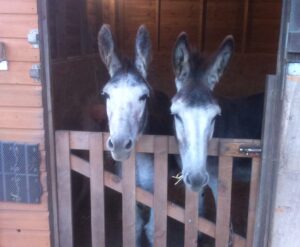
Jojo and Sasha
Many people are not aware that although donkeys are Equines they are quite different from horses being different species. Even some vets seem unsure of this. Their farrier is specially trained and visits every 8–10 weeks. Our donkeys are not shod but would need shoes if they did a lot of road work.
The offspring of a male donkey and female horse is a mule. That of a male horse and female donkey is a hinny. Neither can reproduce.
Donkeys survive on rougher pasture than horses. We supplement their grass with Barley Straw, not hay.
Donkeys are stronger than ponies (or so our farrier tells us).
A typical weight of a donkey is around 30 stone. This is much more in kilogrammes when they stand on your foot.
Italians use donkey meat for making salami. This is not a food we ever eat!
In recent years Jojo and Sasha have been the stars at local Palm Sunday and Nativity services and in December 2019 had pride of place in Wimborne Town Square for an event organised by St Johns Church.

 VINEYARD TOUR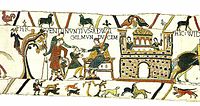
 During lock-down over a year ago I started writing a book. It started from the anecdotes about my patients which had been in my head for years intertwined with the changes in Family Doctoring which I had experienced. I called it the Life and Decline of the Family Doctor and this is what I wrote about it and put on the cover.